-
Table of Contents
Testosterone vs Similar Compounds: Side-by-Side Comparison
Testosterone is a naturally occurring hormone in the human body that plays a crucial role in the development and maintenance of male characteristics. It is also known to have anabolic effects, making it a popular choice among athletes and bodybuilders looking to enhance their performance. However, with the rise of synthetic compounds that mimic the effects of testosterone, it is important to understand the differences between them and their potential risks and benefits.
Pharmacokinetics and Pharmacodynamics
Testosterone is primarily produced in the testes in males and in small amounts in the ovaries and adrenal glands in females. It is then released into the bloodstream and travels to various tissues where it binds to androgen receptors, triggering a cascade of physiological responses. The half-life of testosterone in the body is approximately 10 minutes, with peak levels occurring within 30 minutes of administration (Handelsman et al. 2016).
Synthetic compounds, on the other hand, have been developed to have a longer half-life and more selective binding to androgen receptors. For example, the popular anabolic steroid, nandrolone, has a half-life of approximately 6 hours (Kicman 2008). This allows for less frequent dosing and potentially greater anabolic effects.
Side Effects and Risks
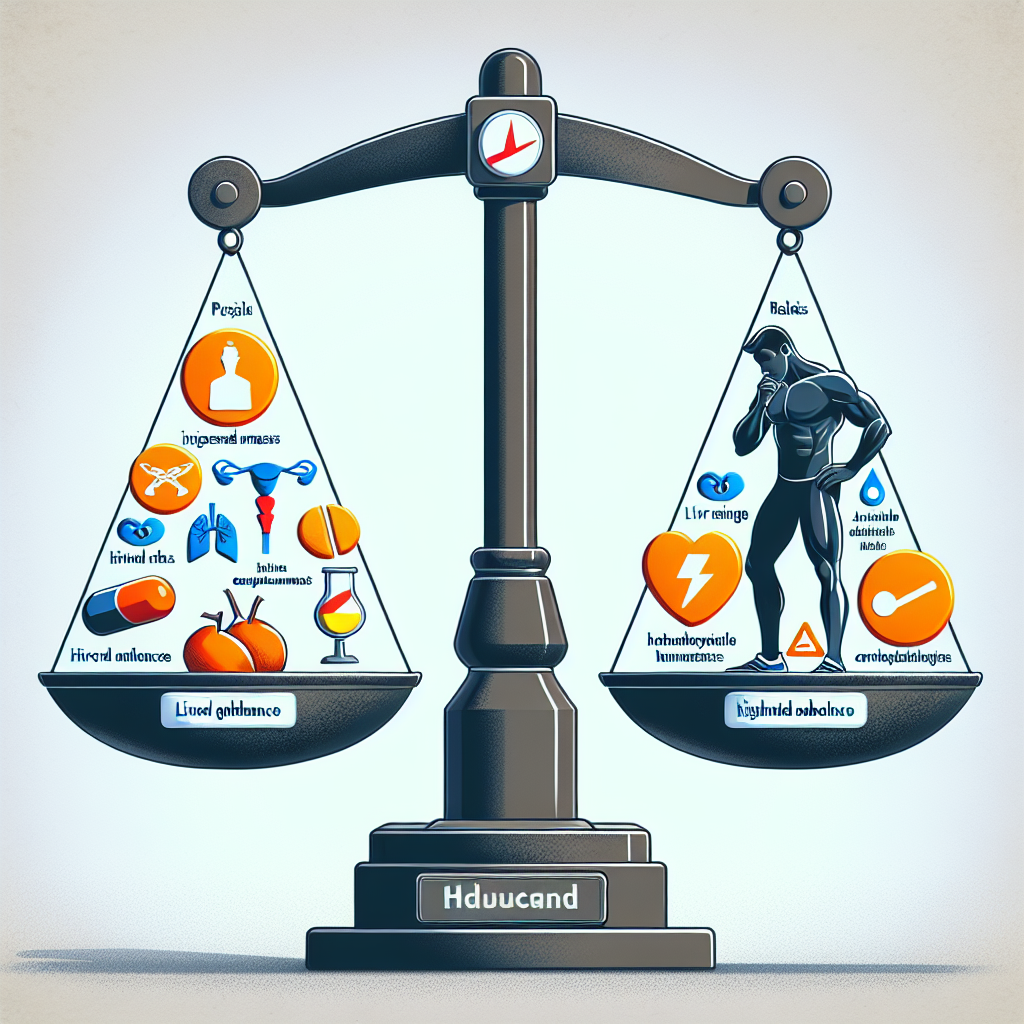
While testosterone and synthetic compounds may have similar effects on muscle growth and performance, they also come with a range of potential side effects and risks. Testosterone supplementation can lead to an increase in estrogen levels, which can cause gynecomastia (enlargement of breast tissue) in males. It can also lead to an increase in red blood cell production, which can increase the risk of blood clots and cardiovascular events (Handelsman et al. 2016).
Synthetic compounds, particularly anabolic steroids, have been linked to a range of adverse effects, including liver damage, cardiovascular disease, and psychiatric disorders (Kicman 2008). These risks are amplified when these compounds are used in high doses or for extended periods of time.
Real-World Examples
The use of testosterone and synthetic compounds in sports has been a controversial topic for many years. In 2012, the International Olympic Committee (IOC) added synthetic testosterone to its list of banned substances, citing its potential for abuse and unfair advantage in competition (Handelsman et al. 2016). However, despite strict regulations and testing, there have been numerous cases of athletes testing positive for these substances, including high-profile cases such as Lance Armstrong and Marion Jones.
In addition to sports, the use of testosterone and synthetic compounds has also been prevalent in the bodybuilding community. Many bodybuilders use these substances to enhance their muscle mass and achieve a more defined and muscular physique. However, this has also led to a rise in the number of reported cases of adverse effects and health complications among bodybuilders (Kicman 2008).
Expert Opinion
While testosterone and synthetic compounds may offer similar benefits in terms of muscle growth and performance, it is important to consider the potential risks and side effects associated with their use. As with any medication or supplement, it is crucial to consult with a healthcare professional before starting any form of testosterone or synthetic compound therapy. This is especially important for athletes and bodybuilders who may be subject to strict testing and regulations.
Furthermore, it is important to note that the use of these substances is not a substitute for proper training and nutrition. While they may provide temporary gains, they do not replace the hard work and dedication required to achieve long-term results. It is also important to use these substances responsibly and in accordance with recommended dosages to minimize the risk of adverse effects.
References
Handelsman DJ, Yeap BB, Flicker L, Martin S, Wittert GA, Ly LP. 2016. Testosterone and cardiovascular risk in men. Nature Reviews Endocrinology. 12(6):337-348.
Kicman AT. 2008. Pharmacology of anabolic steroids. British Journal of Pharmacology. 154(3):502-521.