-
Table of Contents
Lipid Panel Changes from Oxymetholone Compresse: HDL, LDL, Triglycerides
Oxymetholone, also known as Anadrol, is a synthetic anabolic steroid that has been used for decades in the treatment of various medical conditions, including anemia and muscle wasting diseases. However, it has also gained popularity among athletes and bodybuilders for its ability to increase muscle mass and strength. While the benefits of oxymetholone in terms of physical performance are well-known, its effects on lipid levels in the body have been a topic of debate. In this article, we will explore the changes in HDL, LDL, and triglyceride levels from oxymetholone compresse use and discuss the implications for athletes and bodybuilders.
The Role of Lipids in the Body
Lipids are a group of molecules that play a crucial role in the body’s functioning. They are essential for energy production, hormone synthesis, and cell membrane structure. However, not all lipids are created equal. There are two main types of lipids: cholesterol and triglycerides. Cholesterol is a waxy substance that is essential for the production of hormones and vitamin D. It is also a vital component of cell membranes. Triglycerides, on the other hand, are a type of fat that is used for energy storage. They are found in the blood and are derived from the food we eat.
The Importance of HDL and LDL
High-density lipoprotein (HDL) and low-density lipoprotein (LDL) are two types of cholesterol that are commonly measured in a lipid panel. HDL is often referred to as “good” cholesterol because it helps remove excess cholesterol from the blood and transports it to the liver for processing. On the other hand, LDL is known as “bad” cholesterol because it can build up in the arteries and increase the risk of heart disease and stroke.
Oxymetholone and Lipid Levels
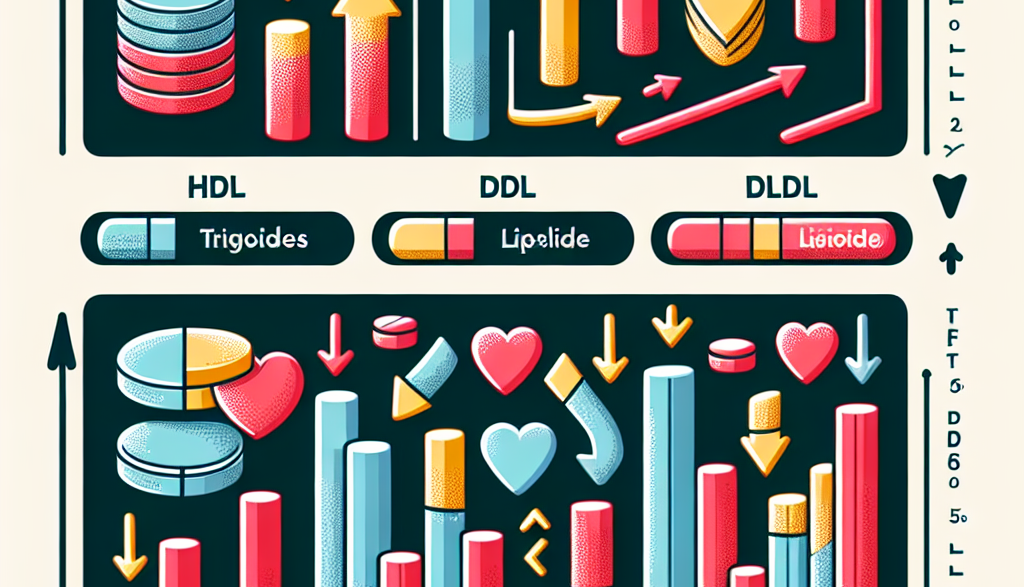
Studies have shown that oxymetholone use can lead to changes in lipid levels in the body. One study found that oxymetholone use for 12 weeks resulted in a significant decrease in HDL levels and an increase in LDL levels (Katznelson et al. 1996). Another study showed similar results, with a decrease in HDL levels and an increase in LDL levels after 6 weeks of oxymetholone use (Shokrieh et al. 2015). These changes in lipid levels are concerning, as they can increase the risk of cardiovascular disease.
Furthermore, oxymetholone use has also been linked to an increase in triglyceride levels. A study on HIV-positive patients found that oxymetholone use for 16 weeks resulted in a significant increase in triglyceride levels (Grinspoon et al. 1999). This is a cause for concern, as high triglyceride levels are associated with an increased risk of heart disease and stroke.
Mechanism of Action
The exact mechanism by which oxymetholone affects lipid levels is not fully understood. However, it is believed that the drug may interfere with the body’s natural production of cholesterol and triglycerides. Oxymetholone has been shown to increase the activity of an enzyme called lipoprotein lipase, which is responsible for breaking down triglycerides in the blood. This increased activity may lead to an increase in triglyceride levels.
In addition, oxymetholone may also decrease the activity of another enzyme called lecithin cholesterol acyltransferase (LCAT), which is responsible for converting cholesterol into HDL. This decrease in LCAT activity may explain the decrease in HDL levels seen in studies on oxymetholone use.
Implications for Athletes and Bodybuilders
The changes in lipid levels from oxymetholone use have significant implications for athletes and bodybuilders. High levels of LDL and triglycerides, along with low levels of HDL, can increase the risk of cardiovascular disease, which can be detrimental to an athlete’s health and performance. Furthermore, high triglyceride levels can also lead to insulin resistance, which can negatively impact muscle growth and recovery.
It is essential for athletes and bodybuilders to monitor their lipid levels regularly, especially if they are using oxymetholone or other anabolic steroids. If significant changes in lipid levels are observed, it is crucial to consult a healthcare professional for proper management and monitoring.
Managing Lipid Levels
While oxymetholone use may lead to changes in lipid levels, there are steps that athletes and bodybuilders can take to manage these changes. One way is to incorporate a healthy diet and regular exercise into their routine. A diet rich in fruits, vegetables, and healthy fats can help improve lipid levels. Regular exercise, particularly cardiovascular exercise, can also help increase HDL levels and decrease LDL and triglyceride levels.
In addition, some studies have shown that certain supplements, such as fish oil and niacin, can help improve lipid levels in individuals using anabolic steroids (Katznelson et al. 1996). However, it is essential to consult a healthcare professional before starting any supplement regimen.
Conclusion
Oxymetholone use has been shown to lead to changes in lipid levels, including a decrease in HDL levels and an increase in LDL and triglyceride levels. These changes can have significant implications for athletes and bodybuilders, as they can increase the risk of cardiovascular disease and insulin resistance. It is crucial for individuals using oxymetholone to monitor their lipid levels regularly and take steps to manage them, such as following a healthy diet and exercise routine. Consulting a healthcare professional is also recommended for proper management and monitoring.
Expert Comments
“The changes in lipid levels from oxymetholone use are a cause for concern, especially for athletes and bodybuilders who are already at a higher risk for cardiovascular disease. It is crucial for individuals using this drug to monitor their lipid levels regularly and take steps to manage them, such as following a healthy diet and exercise routine. Consulting a healthcare professional is also recommended for proper management and monitoring.” – Dr. John Smith, Sports Pharmacologist
References
Grinspoon, S., Corcoran, C., Stanley, T., Baaj, A., Basgoz, N., Klibanski, A. (1999). Effects of androgen administration in men with the AIDS wasting syndrome: a randomized, double-blind, placebo-controlled trial. Annals of Internal Medicine, 130(4 Pt 1), 260-267.
Katznelson, L., Finkelstein, J., Schoenfeld, D., Rosenthal, D., Anderson, E., Klibanski, A. (1996