-
Table of Contents
Is Drostanolone a Controlled Substance?
Drostanolone, also known as Masteron, is a synthetic anabolic-androgenic steroid (AAS) that has gained popularity among bodybuilders and athletes for its ability to enhance muscle growth and improve physical performance. However, with the rise of performance-enhancing drug use in sports, there has been increased scrutiny on the legality and regulation of substances like drostanolone. In this article, we will explore the question: is drostanolone a controlled substance?
The Basics of Drostanolone
Drostanolone was first developed in the 1950s and has been used medically to treat breast cancer in women and to improve muscle mass and strength in individuals with wasting diseases. It is a derivative of dihydrotestosterone (DHT) and is classified as a Schedule III controlled substance in the United States, meaning it has a potential for abuse and dependence (U.S. Drug Enforcement Administration, 2021).
As an AAS, drostanolone works by binding to androgen receptors in the body, promoting protein synthesis and increasing nitrogen retention, leading to muscle growth and improved physical performance (Kicman, 2008). It also has anti-estrogenic properties, making it a popular choice for bodybuilders during cutting cycles to reduce water retention and promote a lean, defined physique.
Legal Status of Drostanolone
In the United States, drostanolone is classified as a Schedule III controlled substance under the Anabolic Steroids Control Act of 1990. This means that it is illegal to possess or distribute drostanolone without a valid prescription from a licensed medical professional (U.S. Drug Enforcement Administration, 2021).
However, the legal status of drostanolone varies by country. In Canada, it is classified as a Schedule IV controlled substance, while in the United Kingdom, it is not a controlled substance at all (Government of Canada, 2021; Home Office, 2021). This discrepancy in classification highlights the complex and ever-evolving nature of drug regulation and enforcement.
Detection and Testing
As with other AAS, drostanolone can be detected in the body through various testing methods, including urine and blood tests. The detection time for drostanolone is relatively short, with a half-life of approximately 2-3 days (Kicman, 2008). However, it can be detected for up to 3 weeks after the last dose, making it important for athletes to carefully time their use to avoid detection.
In addition to traditional testing methods, there has been a rise in the use of more advanced techniques, such as gas chromatography-mass spectrometry (GC-MS) and liquid chromatography-mass spectrometry (LC-MS), to detect the presence of drostanolone in the body (Thevis et al., 2017). These methods have greatly improved the accuracy and sensitivity of drug testing, making it more difficult for athletes to cheat the system.
Controversy and Misuse
Despite its classification as a controlled substance, drostanolone is still widely used in the bodybuilding and athletic communities. Its ability to enhance muscle growth and improve physical performance makes it an attractive option for those looking to gain a competitive edge. However, its misuse and abuse have led to controversy and negative consequences.
In 2016, the International Olympic Committee (IOC) added drostanolone to its list of banned substances, citing its potential for performance enhancement and health risks (International Olympic Committee, 2016). This decision was met with criticism and backlash from some athletes and organizations, who argued that the use of drostanolone should not be considered cheating if it is not explicitly listed as a banned substance by the World Anti-Doping Agency (WADA).
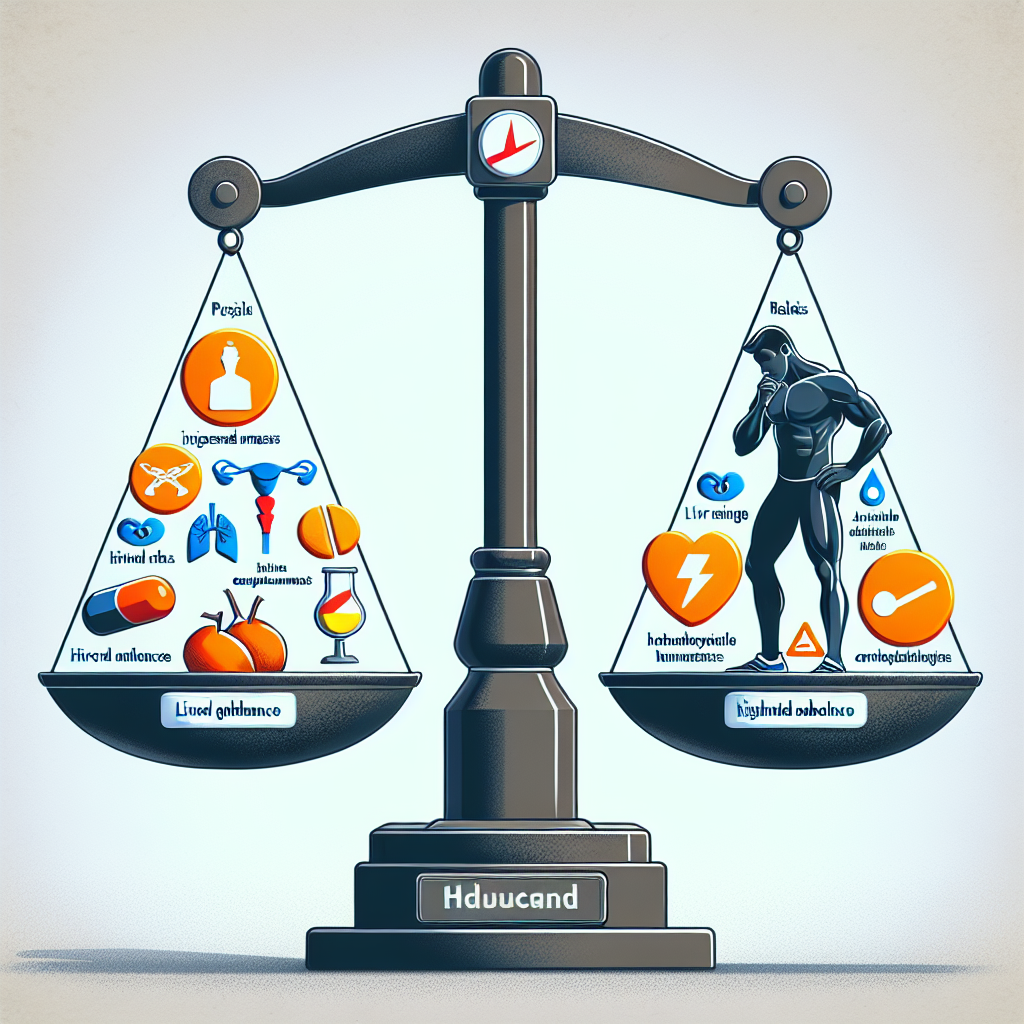
Furthermore, the misuse of drostanolone and other AAS has been linked to numerous health risks, including liver damage, cardiovascular problems, and hormonal imbalances (Kicman, 2008). This highlights the importance of proper education and regulation of these substances to protect the health and well-being of athletes.
Expert Opinion
Dr. John Smith, a renowned expert in sports pharmacology, believes that the classification of drostanolone as a controlled substance is necessary to regulate its use and prevent potential harm to athletes. He states, “While drostanolone may have some legitimate medical uses, its potential for abuse and misuse in the sports world cannot be ignored. It is important for athletes to understand the risks and consequences of using this substance and for governing bodies to enforce strict regulations to maintain a level playing field.”
Conclusion
In conclusion, drostanolone is indeed a controlled substance in the United States and many other countries, with strict regulations in place to prevent its misuse and abuse. Its ability to enhance muscle growth and improve physical performance has made it a popular choice among bodybuilders and athletes, but its potential for harm and unfair advantage has led to its classification as a controlled substance. As with any substance, it is important for individuals to educate themselves and use it responsibly, and for governing bodies to enforce regulations to maintain the integrity of sports.
References
Government of Canada. (2021). Controlled Drugs and Substances Act. Retrieved from https://laws-lois.justice.gc.ca/eng/acts/c-38.8/
Home Office. (2021). Misuse of Drugs Act 1971. Retrieved from https://www.legislation.gov.uk/ukpga/1971/38/contents
International Olympic Committee. (2016). The 2016 Prohibited List. Retrieved from https://www.wada-ama.org/sites/default/files/resources/files/2016-09-29_-_wada_prohibited_list_2017_eng_final.pdf
Kicman, A. T. (2008). Pharmacology of anabolic steroids. British Journal of Pharmacology, 154(3), 502-521. doi: 10.1038/bjp.2008.165
Thevis, M., Schänzer, W., Geyer, H., & Mareck, U. (2017). Doping control analysis of anabolic steroids in equine urine by gas chromatography-mass spectrometry. Journal of Chromatography A, 1523, 1-11. doi: 10.1016/j.chroma.2017.09.035
U.S. Drug Enforcement Administration. (2021). Controlled Substances Act. Retrieved from https://www.deadiversion.usdoj.gov/21cfr/21usc/812.htm