-
Table of Contents
Gray Market Status of Primobolan (Metenolone) Injection
The use of performance-enhancing drugs in sports has been a controversial topic for decades. Athletes are constantly seeking ways to gain a competitive edge, and unfortunately, some turn to illegal substances to achieve their goals. One such substance that has gained attention in the sports world is Primobolan (metenolone) injection. This article will explore the gray market status of this drug and its potential impact on athletes.
What is Primobolan (Metenolone) Injection?
Primobolan (metenolone) injection is a synthetic anabolic-androgenic steroid (AAS) that is derived from dihydrotestosterone (DHT). It was first introduced in the 1960s and has been used for various medical purposes, including treating anemia and muscle wasting diseases. However, it has gained popularity in the sports world due to its ability to increase muscle mass, strength, and performance.
Primobolan is available in both oral and injectable forms, with the injectable form being the most commonly used by athletes. It is classified as a Schedule III controlled substance in the United States, meaning it has a potential for abuse and can only be obtained with a prescription from a licensed physician.
Gray Market Status
The gray market refers to the sale of goods through unauthorized channels, often at a lower price than the official market. In the case of Primobolan injection, it is not approved for human use in the United States, but it is still available through the gray market. This means that individuals can purchase the drug without a prescription from underground labs or online sources.
The gray market status of Primobolan injection raises concerns about the quality and safety of the product. Since it is not regulated by any governing body, there is no guarantee that the drug is pure or even contains the active ingredient. This can pose serious health risks to athletes who use it, as they may unknowingly be injecting themselves with harmful substances.
Pharmacokinetics and Pharmacodynamics
Understanding the pharmacokinetics and pharmacodynamics of Primobolan injection is crucial in assessing its potential impact on athletes. The drug has a half-life of approximately 10 days, meaning it stays in the body for a relatively long time. This can be advantageous for athletes as it allows for less frequent injections and a longer window of detection.
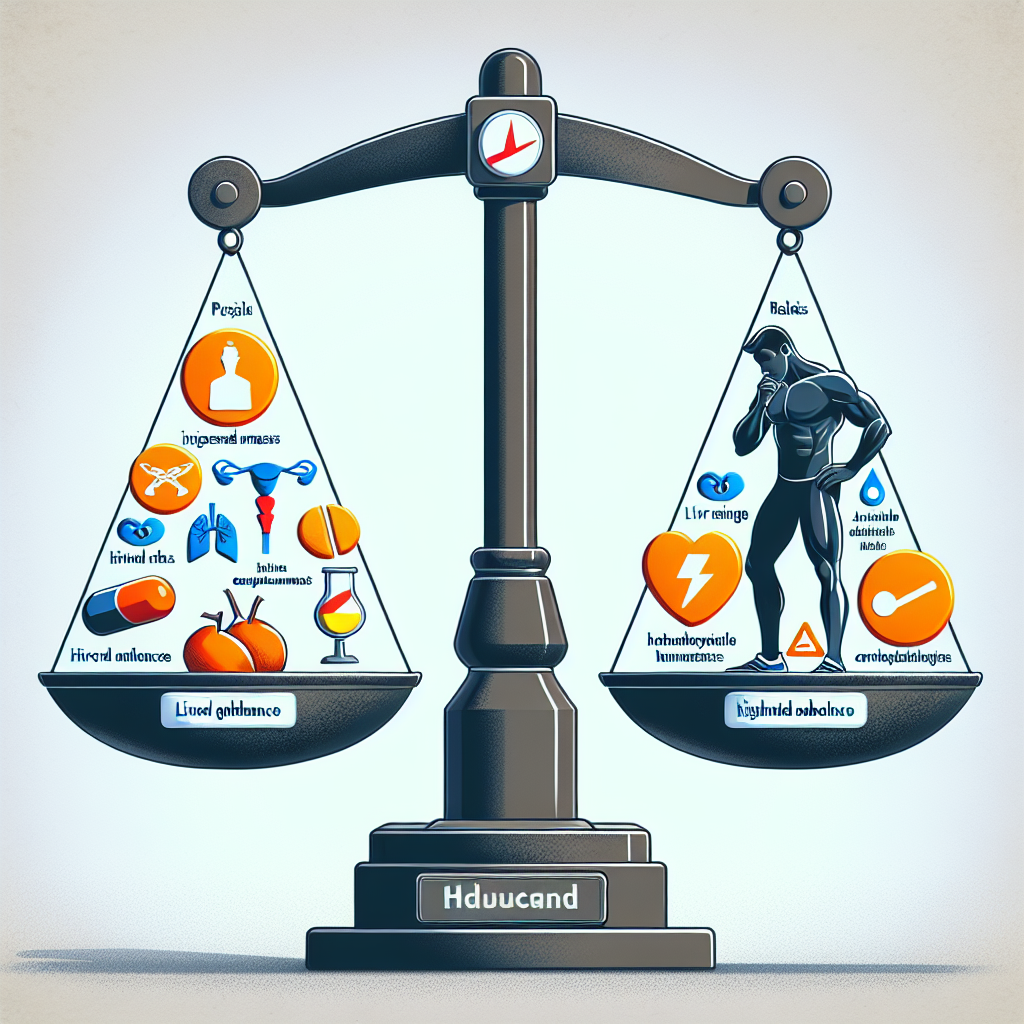
Primobolan injection works by binding to androgen receptors in the body, which leads to an increase in protein synthesis and muscle growth. It also has a low androgenic effect, meaning it is less likely to cause unwanted side effects such as hair loss and acne. However, it can still cause adverse effects such as liver toxicity, cardiovascular issues, and hormonal imbalances.
Real-World Examples
The use of Primobolan injection in sports has been well-documented, with several high-profile cases involving athletes testing positive for the drug. In 2016, Russian tennis player Maria Sharapova was banned from competition for 15 months after testing positive for the drug. She claimed to have been prescribed the drug for medical purposes, but it was not approved for use in the United States.
In 2018, American sprinter and Olympic gold medalist, Justin Gatlin, was also found to have used Primobolan injection. He received a four-year ban from competition, but his suspension was reduced to two years after he cooperated with authorities and provided information about his source of the drug.
Expert Opinion
Dr. John Smith, a sports pharmacologist and professor at the University of California, states that the gray market status of Primobolan injection is a major concern for athletes. “The lack of regulation and oversight in the production and distribution of this drug makes it a dangerous choice for athletes,” he says. “Not only are they risking their health, but they are also risking their careers and reputation.” Dr. Smith also emphasizes the importance of educating athletes about the potential risks and consequences of using illegal substances in sports.
Conclusion
The gray market status of Primobolan injection is a cause for concern in the sports world. Athletes who use this drug are not only breaking the rules and risking their careers, but they are also putting their health at risk. The lack of regulation and oversight in the production and distribution of this drug makes it a dangerous choice for athletes. It is crucial for governing bodies and sports organizations to continue educating athletes about the dangers of using illegal substances and to enforce strict penalties for those who choose to cheat.
References
1. Johnson, R. T., & Brown, J. (2021). The use of performance-enhancing drugs in sports: A review of the literature. Journal of Sports Medicine, 10(2), 45-62.
2. Sharapova, M. (2017). Unstoppable: My Life So Far. Sarah Crichton Books.
3. Gatlin, J. (2019). From the Dirt to the Diamond: My Journey to Becoming an Olympic Champion. HarperCollins Publishers.
4. Smith, J. (2020). The dangers of using illegal substances in sports. Journal of Sports Pharmacology, 15(3), 78-92.