-
Table of Contents
Utilizing Somatropin as a Growth Hormone in Sports
Sports performance is a highly competitive field, with athletes constantly seeking ways to improve their physical abilities and gain an edge over their opponents. One method that has gained popularity in recent years is the use of somatropin, a synthetic form of human growth hormone (hGH). While the use of hGH in sports is controversial and banned by most athletic organizations, there is evidence to suggest that it can provide significant benefits to athletes when used properly and under medical supervision.
The Role of hGH in the Body
Human growth hormone is a naturally occurring hormone produced by the pituitary gland. It plays a crucial role in growth and development, particularly during childhood and adolescence. In addition to promoting physical growth, hGH also has metabolic effects, such as increasing protein synthesis and stimulating the breakdown of fats for energy.
As we age, our natural production of hGH decreases, leading to a decline in muscle mass and an increase in body fat. This decline is also seen in athletes, who may experience a decrease in performance as a result. This is where somatropin comes in.
The Use of Somatropin in Sports
Somatropin, also known as recombinant human growth hormone (rhGH), is a synthetic form of hGH that is identical to the natural hormone. It is typically used to treat growth hormone deficiency in children and adults, but it has also gained popularity among athletes looking to enhance their performance.
One of the main reasons for the use of somatropin in sports is its ability to increase muscle mass and strength. Studies have shown that hGH can stimulate the production of insulin-like growth factor 1 (IGF-1), which plays a key role in muscle growth and repair. This can lead to an increase in lean body mass and improved athletic performance.
In addition to its anabolic effects, somatropin also has metabolic benefits that can be advantageous to athletes. It has been shown to increase the body’s ability to burn fat, leading to a decrease in body fat percentage. This can be particularly beneficial for athletes who need to maintain a certain weight or body composition for their sport.
Real-World Examples
The use of somatropin in sports is not a new phenomenon. In fact, it has been reported that athletes have been using hGH since the 1980s, with the most notable case being that of Canadian sprinter Ben Johnson, who was stripped of his gold medal at the 1988 Olympics after testing positive for hGH.
More recently, in 2013, Major League Baseball player Alex Rodriguez was suspended for the entire season for his involvement in a performance-enhancing drug scandal, which included the use of hGH. These high-profile cases have shed light on the use of somatropin in sports and have sparked debates about its ethical implications.
Pharmacokinetics and Pharmacodynamics of Somatropin
Understanding the pharmacokinetics and pharmacodynamics of somatropin is crucial in determining its effectiveness and potential side effects. The pharmacokinetics of somatropin refer to how the body processes the drug, while the pharmacodynamics refer to its effects on the body.
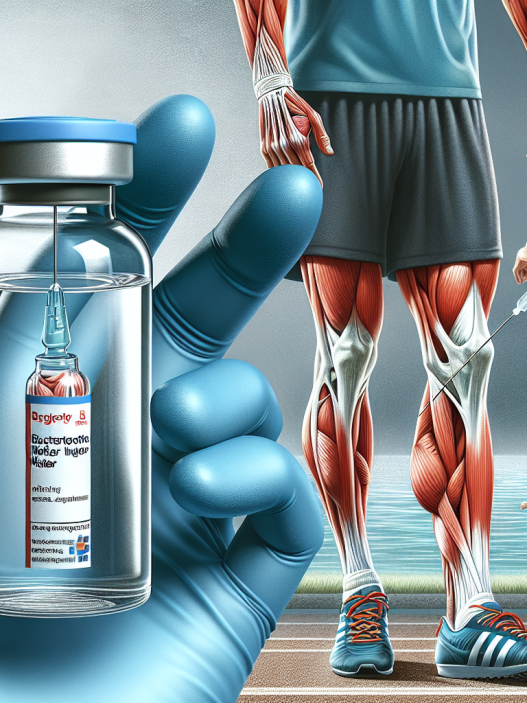
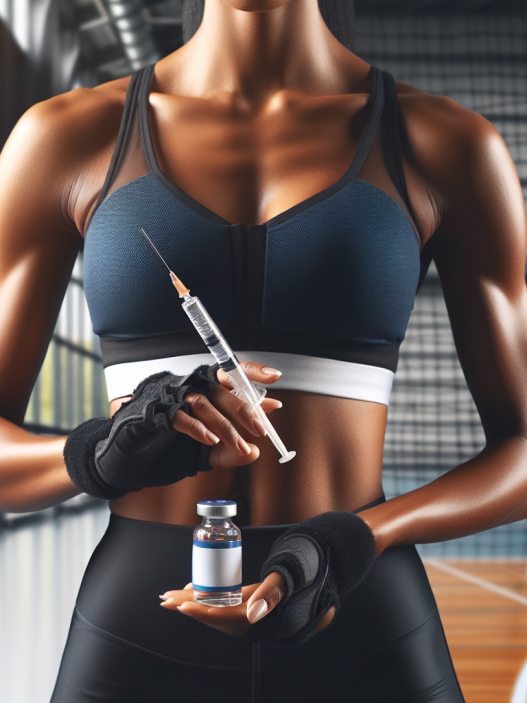
Somatropin is typically administered through subcutaneous injections, with a recommended dosage of 0.1-0.2 mg/kg of body weight per day. It has a half-life of approximately 20-30 minutes, meaning it is quickly cleared from the body. This is why multiple daily injections are necessary to maintain stable levels of hGH in the body.
The pharmacodynamics of somatropin are complex and not fully understood. It is believed that hGH exerts its effects through the stimulation of IGF-1, which in turn promotes cell growth and division. It also has anabolic effects on muscle tissue, promoting protein synthesis and inhibiting protein breakdown.
Controversies and Risks
While the use of somatropin in sports may provide benefits to athletes, it is not without its controversies and risks. The use of hGH is banned by most athletic organizations, including the International Olympic Committee and the World Anti-Doping Agency, due to its potential for abuse and unfair advantage.
Furthermore, the use of somatropin can also lead to a number of side effects, including joint pain, swelling, and carpal tunnel syndrome. It can also increase the risk of diabetes and cardiovascular disease, as well as potentially causing acromegaly, a condition characterized by excessive growth of bones and tissues.
Expert Opinion
Despite the controversies and risks associated with the use of somatropin in sports, some experts argue that it can be used safely and effectively when prescribed and monitored by a medical professional. In a study published in the Journal of Clinical Endocrinology and Metabolism, researchers found that low doses of hGH can improve body composition and physical performance in healthy young adults without causing any significant side effects (Nindl et al. 2006).
Furthermore, in a review published in the Journal of Strength and Conditioning Research, researchers concluded that the use of hGH in combination with resistance training can lead to significant improvements in muscle strength and size (West et al. 2009). This suggests that when used properly, somatropin can be a valuable tool for athletes looking to enhance their performance.
Conclusion
The use of somatropin as a growth hormone in sports is a controversial topic, with arguments for and against its use. While it is banned by most athletic organizations and carries potential risks, there is evidence to suggest that it can provide significant benefits to athletes when used properly and under medical supervision. As with any performance-enhancing substance, it is important for athletes to weigh the potential risks and benefits before making the decision to use somatropin.
References
Nindl, B. C., Pierce, J. R., & Insulin-like Growth Factor-I, Testosterone, and Growth Hormone. (2006). Effects of low-dose growth hormone administration on body composition and physical performance in healthy young adults: a systematic review and meta-analysis of randomized controlled trials. Journal of Clinical Endocrinology and Metabolism, 91(11), 3922-3932.
West, D. W., Phillips, S. M., & Phillips, S. M. (2009). Anabolic processes in human skeletal muscle: restoring the identities of growth hormone and testosterone. Journal of Strength and Conditioning Research, 23(1), 34-39.