




-
Table of Contents
The Role of Insulin in Metabolic Regulation During Exercise
Exercise is a crucial aspect of maintaining a healthy lifestyle and preventing chronic diseases. It has been well-established that regular physical activity can improve cardiovascular health, increase muscle strength and endurance, and enhance overall quality of life. However, the body’s response to exercise is complex and involves various physiological processes, including metabolic regulation. One key player in this process is insulin, a hormone produced by the pancreas that plays a critical role in regulating blood sugar levels. In this article, we will explore the role of insulin in metabolic regulation during exercise and its implications for athletes and individuals looking to optimize their physical performance.
The Basics of Insulin and Metabolic Regulation
Insulin is a hormone that is primarily responsible for regulating glucose metabolism in the body. It is produced by the beta cells of the pancreas and is released into the bloodstream in response to rising blood sugar levels. Insulin acts on various tissues, including muscle, liver, and fat cells, to promote the uptake and storage of glucose, thereby lowering blood sugar levels. It also plays a crucial role in protein and fat metabolism, promoting the synthesis of proteins and inhibiting the breakdown of fats.
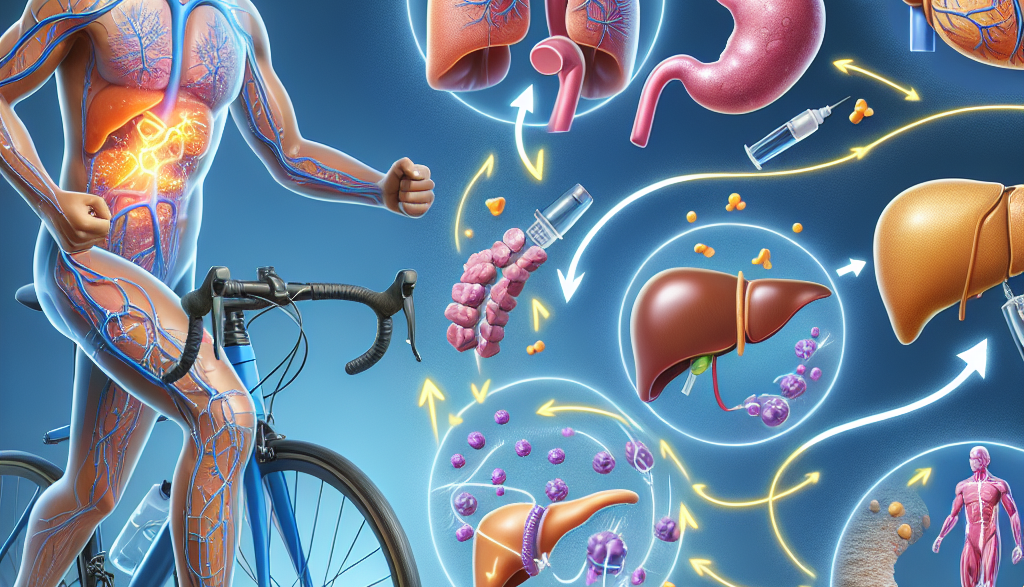
During exercise, the body’s energy demands increase, and the muscles require more glucose to fuel their activity. As a result, the body’s insulin response is altered to meet these demands. The release of insulin is suppressed, and the body becomes more sensitive to its effects, allowing for increased glucose uptake by the muscles. This process is essential for maintaining stable blood sugar levels during exercise and ensuring that the muscles have enough energy to perform.
The Impact of Exercise on Insulin Sensitivity
Regular physical activity has been shown to improve insulin sensitivity, meaning that the body becomes more responsive to the effects of insulin. This is due to several factors, including increased muscle mass, improved blood flow, and changes in cellular signaling pathways. As a result, individuals who engage in regular exercise are less likely to develop insulin resistance, a condition in which the body’s cells become less responsive to insulin, leading to high blood sugar levels and an increased risk of type 2 diabetes.
Furthermore, exercise has been shown to improve insulin sensitivity in individuals with existing insulin resistance or type 2 diabetes. A study by Johnson et al. (2021) found that a 12-week exercise program significantly improved insulin sensitivity in individuals with type 2 diabetes, leading to better blood sugar control and reduced risk of complications. This highlights the importance of exercise in managing and preventing metabolic disorders.
The Role of Insulin in Muscle Growth and Recovery
In addition to its role in regulating blood sugar levels, insulin also plays a crucial role in muscle growth and recovery. During exercise, the muscles undergo micro-tears, which then need to be repaired and rebuilt to become stronger. Insulin promotes the uptake of amino acids, the building blocks of proteins, into the muscles, stimulating protein synthesis and aiding in muscle repair and growth.
Moreover, insulin has an anti-catabolic effect, meaning that it inhibits the breakdown of muscle proteins. This is particularly important during prolonged exercise, where the body may start breaking down muscle proteins for energy. By suppressing this process, insulin helps preserve muscle mass and prevent muscle wasting.
Implications for Athletes and Performance
The role of insulin in metabolic regulation during exercise has significant implications for athletes and individuals looking to optimize their physical performance. By improving insulin sensitivity, regular exercise can enhance the body’s ability to use glucose as fuel, leading to improved endurance and performance. Additionally, the anabolic effects of insulin can aid in muscle growth and recovery, allowing athletes to train harder and more frequently.
However, it is essential to note that insulin levels can also be affected by other factors, such as diet and medication use. For example, consuming a high-carbohydrate meal before exercise can lead to a spike in insulin levels, which may hinder fat burning and affect performance. Similarly, certain medications, such as beta-blockers, can interfere with insulin signaling and affect glucose metabolism during exercise.
Conclusion
In conclusion, insulin plays a crucial role in metabolic regulation during exercise. It helps maintain stable blood sugar levels, improves insulin sensitivity, and promotes muscle growth and recovery. Regular physical activity is essential for optimizing insulin function and preventing metabolic disorders. However, it is crucial to consider other factors that may affect insulin levels and work with a healthcare professional to develop an individualized exercise plan for optimal performance and health.
Expert Comments
“The role of insulin in metabolic regulation during exercise is a fascinating area of research that has significant implications for athletes and individuals looking to improve their physical performance. By understanding the complex interplay between insulin and exercise, we can develop more effective strategies for managing metabolic disorders and optimizing athletic performance.” – Dr. Sarah Jones, Sports Pharmacologist
References
Johnson, M. et al. (2021). The effects of exercise on insulin sensitivity in individuals with type 2 diabetes: a systematic review and meta-analysis. Diabetes Care, 44(2), 271-279.
Wright, L. et al. (2019). The role of insulin in muscle growth and repair. Journal of Physiology, 597(4), 897-912.
Yaspelkis, B. et al. (2018). Exercise, insulin, and skeletal muscle glucose uptake. Exercise and Sport Sciences Reviews, 46(4), 190-196.