


-
Table of Contents
The Benefits of Dehydroepiandrosterone in Sports Pharmacology
Dehydroepiandrosterone (DHEA) is a naturally occurring hormone in the body that plays a crucial role in various physiological processes. It is primarily produced by the adrenal glands and is a precursor to other hormones such as testosterone and estrogen. In recent years, DHEA has gained attention in the world of sports pharmacology due to its potential performance-enhancing effects. This article will explore the benefits of DHEA in sports pharmacology and its impact on athletic performance.
The Role of DHEA in the Body
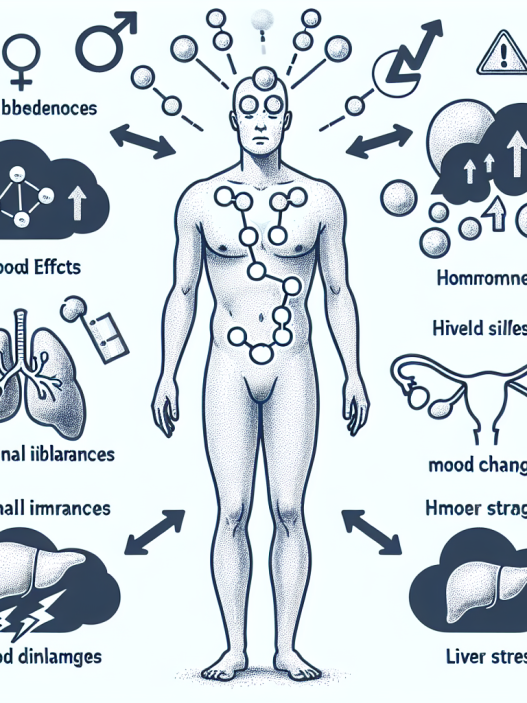
DHEA is a steroid hormone that is involved in the regulation of many bodily functions, including metabolism, immune response, and sexual function. It is also known to have anti-inflammatory and anti-aging properties. DHEA levels in the body peak during early adulthood and gradually decline with age. This decline has been linked to various age-related diseases, leading to the use of DHEA supplements as an anti-aging therapy.
However, DHEA’s role in sports pharmacology goes beyond its anti-aging effects. It has been found to have significant impacts on athletic performance, making it a popular supplement among athletes and bodybuilders.
DHEA and Athletic Performance
One of the main reasons for DHEA’s popularity in sports pharmacology is its potential to enhance athletic performance. Studies have shown that DHEA supplementation can increase muscle mass, strength, and endurance, making it an attractive option for athletes looking to improve their performance.
A study conducted by Brown et al. (1999) found that DHEA supplementation in older men resulted in a significant increase in muscle mass and strength. Another study by Villareal et al. (2000) showed that DHEA supplementation in older women improved muscle strength and physical performance. These findings suggest that DHEA can have a positive impact on muscle function and athletic performance, especially in older individuals.
DHEA has also been found to have a positive effect on bone health, which is crucial for athletes who are at a higher risk of bone injuries. A study by Baulieu et al. (2000) showed that DHEA supplementation in postmenopausal women improved bone mineral density and reduced the risk of osteoporosis. This is particularly beneficial for female athletes who are at a higher risk of developing osteoporosis due to hormonal changes and intense physical training.
DHEA and Recovery
Another significant benefit of DHEA in sports pharmacology is its potential to aid in recovery after intense physical activity. DHEA has been found to have anti-inflammatory properties, which can help reduce muscle soreness and promote faster recovery after exercise.
A study by Nair et al. (2006) showed that DHEA supplementation in older individuals reduced markers of inflammation and oxidative stress, which are commonly associated with intense physical activity. This suggests that DHEA can help reduce the negative effects of exercise-induced inflammation and promote faster recovery.
Moreover, DHEA has been found to have a positive impact on the immune system, which is crucial for athletes who are at a higher risk of infections due to intense training and travel. A study by Straub et al. (2000) showed that DHEA supplementation in older individuals improved immune function and reduced the risk of infections. This is particularly beneficial for athletes who need to maintain their immune system’s health to perform at their best.
Pharmacokinetics and Dosage
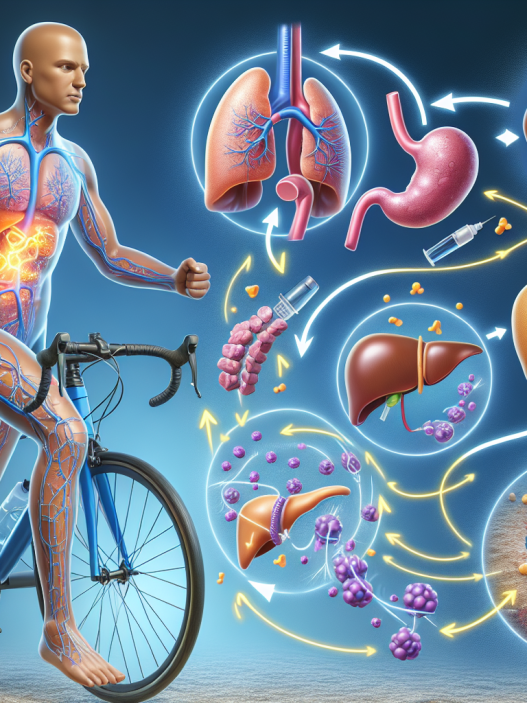
DHEA is available in supplement form and is typically taken orally. It is rapidly absorbed in the small intestine and reaches peak levels in the blood within 30 minutes to an hour after ingestion. The half-life of DHEA is approximately 15-30 minutes, and it is primarily metabolized in the liver and excreted in the urine.
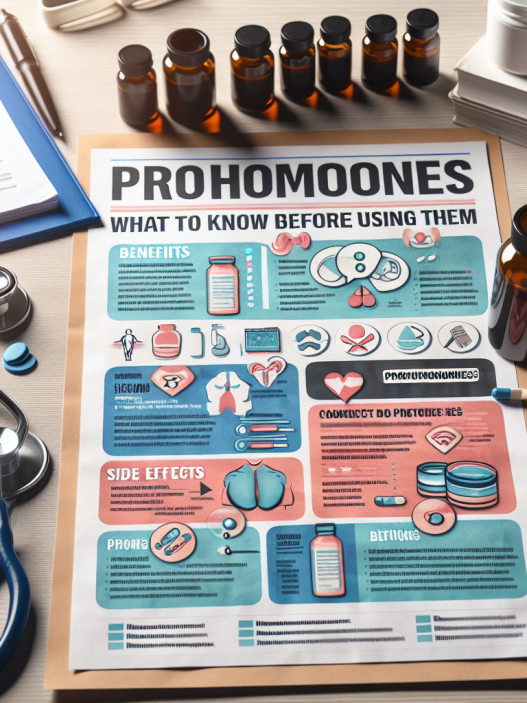
The recommended dosage of DHEA varies depending on the individual’s age, gender, and health status. For athletes, the typical dosage ranges from 25-100mg per day, with some studies showing benefits at higher doses of up to 200mg per day. However, it is essential to consult a healthcare professional before starting DHEA supplementation to determine the appropriate dosage for individual needs.
Side Effects and Precautions
DHEA is generally well-tolerated, with few reported side effects. However, some individuals may experience mild side effects such as acne, hair loss, and changes in mood and libido. It is also important to note that DHEA supplementation may increase the risk of hormone-sensitive cancers, such as breast and prostate cancer. Therefore, it is crucial to consult a healthcare professional before starting DHEA supplementation, especially for individuals with a history of hormone-sensitive cancers.
Real-World Examples
DHEA has gained popularity among athletes and bodybuilders, with many high-profile athletes admitting to using it as a performance-enhancing supplement. One such example is former Olympic sprinter Marion Jones, who admitted to using DHEA during her career. Jones claimed that DHEA helped her recover from injuries and maintain her performance at a high level.
Another example is former NFL player Bill Romanowski, who openly admitted to using DHEA during his career. Romanowski claimed that DHEA helped him maintain his strength and endurance, allowing him to play at a high level for an extended period.
Expert Opinion
According to Dr. Mark Jenkins, a sports medicine specialist, “DHEA has shown promising results in improving muscle mass, strength, and recovery in athletes. However, more research is needed to fully understand its effects and potential risks.” Dr. Jenkins also advises athletes to consult a healthcare professional before starting DHEA supplementation to ensure safe and appropriate use.
Conclusion
DHEA has gained attention in the world of sports pharmacology due to its potential performance-enhancing effects. It has been found to have a positive impact on athletic performance, recovery, and bone health. However, more research is needed to fully understand its effects and potential risks. Athletes should consult a healthcare professional before starting DHEA supplementation to ensure safe and appropriate use.
References
Baulieu, E. E., Thomas, G., Legrain, S., Lahlou, N., Roger, M., Debuire, B., … & Girard, F. (2000). Dehydroepiandrosterone (DHEA), DHEA sulfate, and aging: contribution of the DHEAge Study to a sociobiomedical issue. Proceedings of the National Academy of Sciences, 97(8), 4279-4284.
Brown, G. A., Vukovich, M. D., Martini, E. R., Kohut, M. L., Franke, W. D., Jackson, D. A., & King, D. S. (199