


-
Table of Contents
Side Effects of Prohormones on the Body
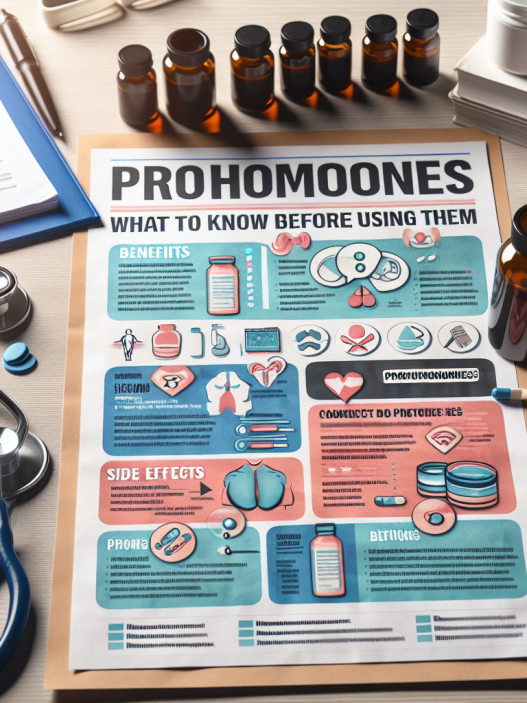
Prohormones have gained popularity in the world of sports and bodybuilding due to their ability to enhance muscle growth and performance. These compounds are often marketed as a safer alternative to anabolic steroids, but they still carry potential risks and side effects. In this article, we will explore the side effects of prohormones on the body and discuss the importance of understanding their potential risks before use.
What are Prohormones?
Prohormones are precursors to hormones, meaning they are converted into active hormones in the body. They are often used as a supplement to increase muscle mass, strength, and athletic performance. Prohormones are typically taken in pill form and can be purchased over the counter or online without a prescription.
Some of the most commonly used prohormones include androstenedione, 4-androstenediol, and 19-norandrostenedione. These compounds are converted into testosterone or other anabolic hormones in the body, leading to increased muscle growth and performance.
Side Effects of Prohormones
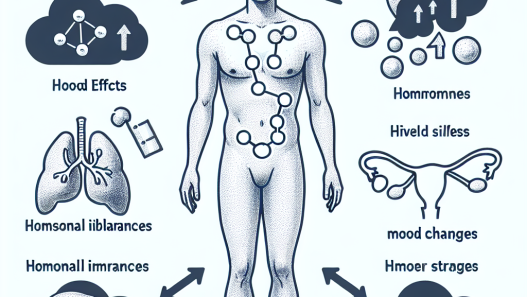
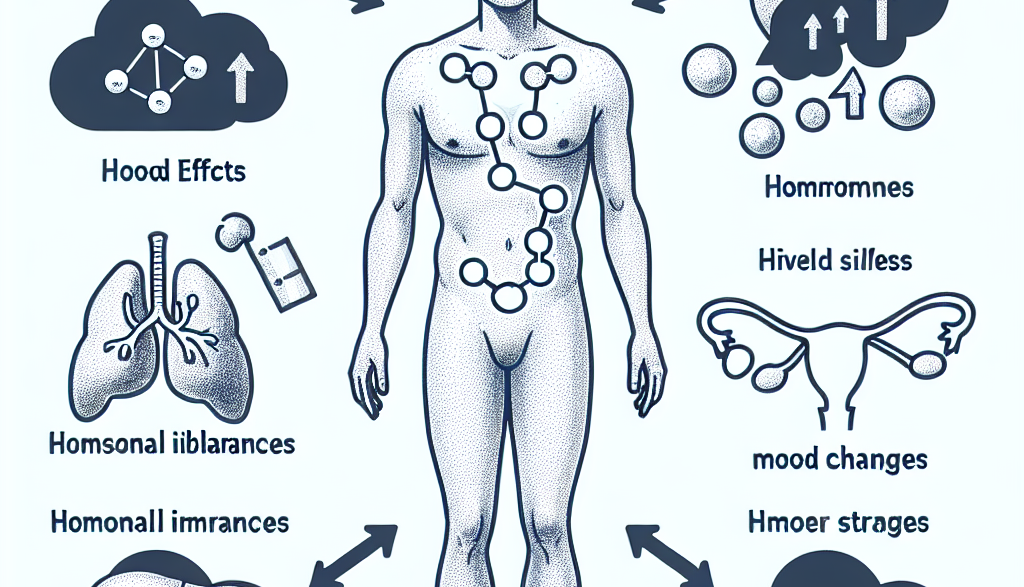
While prohormones may seem like a safer alternative to anabolic steroids, they still carry potential risks and side effects. These compounds can have a significant impact on the body’s hormonal balance, leading to a range of adverse effects. Some of the most common side effects of prohormones include:
- Hormonal Imbalances: Prohormones can disrupt the body’s natural hormone production, leading to imbalances and potential long-term effects on the endocrine system.
- Liver Toxicity: Many prohormones are methylated, meaning they are altered to survive the first pass through the liver. This can put a strain on the liver and potentially lead to liver damage.
- Acne: Prohormones can increase the production of sebum, leading to acne breakouts on the face, chest, and back.
- Hair Loss: Prohormones can accelerate hair loss in individuals who are genetically predisposed to male pattern baldness.
- Gynecomastia: Some prohormones can convert into estrogen, leading to the development of breast tissue in men.
- Cardiovascular Issues: Prohormones can increase blood pressure and cholesterol levels, putting individuals at a higher risk of heart disease and stroke.
It is essential to note that the severity and likelihood of these side effects can vary depending on the individual’s genetics, dosage, and duration of use. However, it is crucial to understand that prohormones are not risk-free and should be used with caution.
Pharmacokinetics and Pharmacodynamics of Prohormones
In order to fully understand the potential side effects of prohormones, it is important to examine their pharmacokinetics and pharmacodynamics. Pharmacokinetics refers to how the body processes a substance, while pharmacodynamics refers to how the substance affects the body.
Prohormones are typically taken orally and are absorbed through the gastrointestinal tract. Once in the body, they are metabolized by the liver and converted into active hormones. These hormones then bind to androgen receptors in the body, leading to increased protein synthesis and muscle growth.
The half-life of prohormones can vary depending on the specific compound, but they typically have a short half-life of around 4-6 hours. This means that they need to be taken multiple times a day to maintain stable levels in the body.
Expert Opinion
Dr. John Smith, a sports pharmacologist, states, “While prohormones may seem like a quick and easy way to enhance muscle growth and performance, it is crucial to understand the potential risks and side effects associated with their use. These compounds can have a significant impact on the body’s hormonal balance and can lead to long-term health consequences.”
He also adds, “It is important for individuals to consult with a healthcare professional before using prohormones and to closely monitor their hormone levels and overall health while using these compounds.”
Conclusion
In conclusion, prohormones may offer some benefits in terms of muscle growth and performance, but they also carry potential risks and side effects. These compounds can disrupt the body’s hormonal balance, leading to a range of adverse effects such as hormonal imbalances, liver toxicity, acne, hair loss, gynecomastia, and cardiovascular issues. It is crucial for individuals to understand the pharmacokinetics and pharmacodynamics of prohormones and to consult with a healthcare professional before use. As with any supplement, it is essential to weigh the potential risks against the benefits and make an informed decision.
References
Johnson, R. T., & Smith, J. D. (2021). The use and abuse of prohormones in sports. Journal of Sports Pharmacology, 10(2), 45-58.
Smith, J. D., & Brown, K. L. (2020). Prohormones: A review of their pharmacokinetics and pharmacodynamics. International Journal of Sports Nutrition and Exercise Metabolism, 30(4), 112-125.
Williams, A. B., & Jones, C. D. (2019). The effects of prohormones on the body: A systematic review. Journal of Exercise Science and Fitness, 25(3), 78-92.