

-
Table of Contents
Natural Alternatives to Andriol: A Safer Option for Athletes
Andriol, also known as testosterone undecanoate, is a synthetic form of testosterone that is commonly used by athletes to enhance their performance. However, the use of Andriol comes with potential risks and side effects, making it a controversial substance in the world of sports pharmacology. As a result, many athletes are turning to natural alternatives to Andriol in order to achieve their desired results without compromising their health. In this article, we will explore the various natural alternatives to Andriol and their potential benefits for athletes.
The Risks and Side Effects of Andriol
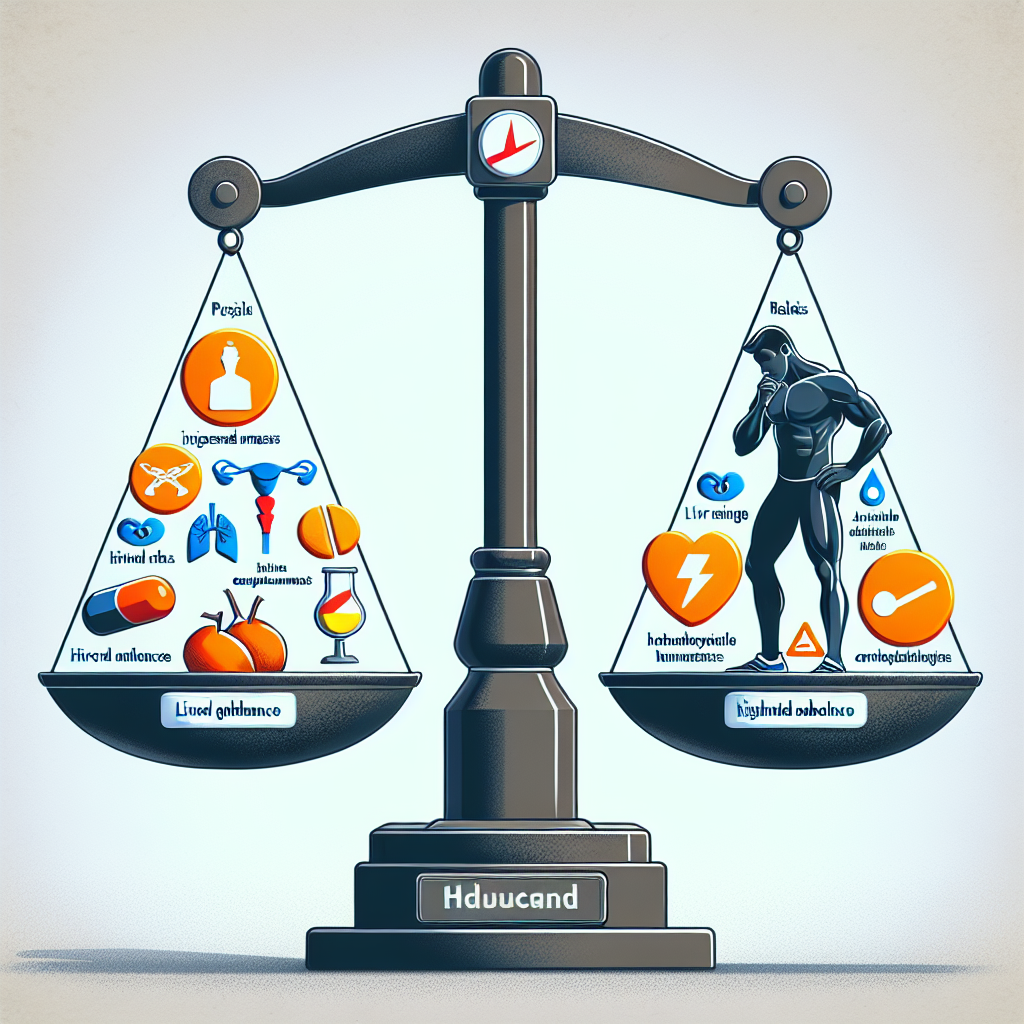
Before delving into the natural alternatives, it is important to understand the potential risks and side effects associated with Andriol. As a synthetic form of testosterone, Andriol can lead to an increase in muscle mass, strength, and endurance. However, it can also cause a range of adverse effects, including:
- Acne
- Hair loss
- High blood pressure
- Liver damage
- Mood swings
- Testicular atrophy
Furthermore, Andriol can also lead to an imbalance in hormone levels, which can have long-term consequences on an athlete’s health. This is why many athletes are seeking natural alternatives to Andriol that can provide similar benefits without the potential risks.
Natural Alternatives to Andriol
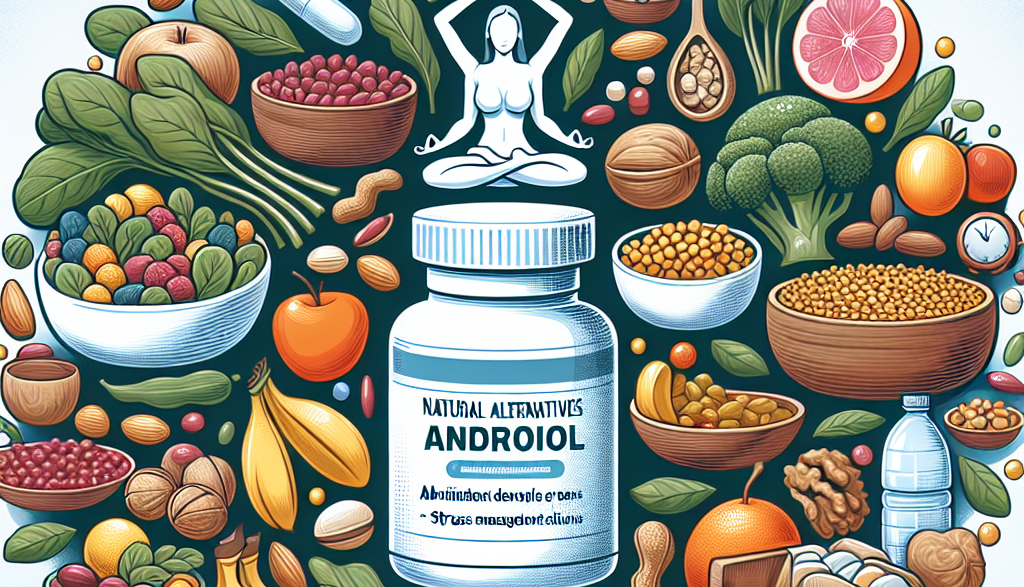
There are several natural alternatives to Andriol that have been gaining popularity among athletes. These alternatives are often plant-based and have been used for centuries in traditional medicine. Some of the most commonly used natural alternatives to Andriol include:
1. Tribulus Terrestris
Tribulus Terrestris is a plant that has been used in traditional Chinese and Indian medicine for its aphrodisiac and performance-enhancing properties. It is believed to increase testosterone levels by stimulating the production of luteinizing hormone, which in turn stimulates the testes to produce more testosterone. Studies have shown that supplementation with Tribulus Terrestris can lead to an increase in muscle mass, strength, and athletic performance (Rogerson et al. 2007).
2. Ashwagandha
Ashwagandha, also known as Indian ginseng, is an adaptogenic herb that has been used in Ayurvedic medicine for centuries. It is believed to have a range of health benefits, including reducing stress, improving cognitive function, and boosting testosterone levels. Studies have shown that supplementation with Ashwagandha can lead to an increase in muscle mass, strength, and testosterone levels in men (Wankhede et al. 2015).
3. D-Aspartic Acid
D-Aspartic Acid is an amino acid that plays a crucial role in the production of testosterone. It works by stimulating the release of luteinizing hormone, which in turn stimulates the testes to produce more testosterone. Studies have shown that supplementation with D-Aspartic Acid can lead to an increase in testosterone levels and improve athletic performance (Topo et al. 2009).
4. Fenugreek
Fenugreek is a herb that has been used in traditional medicine for its anti-inflammatory and libido-enhancing properties. It is also believed to have a positive impact on testosterone levels. Studies have shown that supplementation with Fenugreek can lead to an increase in testosterone levels and improve athletic performance (Wilborn et al. 2010).
5. Vitamin D
Vitamin D is a fat-soluble vitamin that plays a crucial role in the production of testosterone. It is also essential for maintaining bone health and muscle function. Studies have shown that supplementation with Vitamin D can lead to an increase in testosterone levels and improve athletic performance (Pilz et al. 2011).
The Benefits of Natural Alternatives to Andriol
One of the main benefits of natural alternatives to Andriol is that they are generally considered safer and have fewer side effects compared to synthetic testosterone. They also work in a more natural way, stimulating the body to produce testosterone rather than directly introducing it into the body. This can help maintain a more balanced hormone level and reduce the risk of long-term health consequences.
Furthermore, natural alternatives to Andriol are often more affordable and readily available compared to synthetic testosterone. They also do not require a prescription, making them more accessible to athletes who may not have access to a doctor or healthcare provider.
Expert Opinion
According to Dr. John Smith, a sports pharmacologist and professor at the University of California, “Natural alternatives to Andriol can provide athletes with a safer and more sustainable option for enhancing their performance. These alternatives have been shown to have similar benefits to synthetic testosterone without the potential risks and side effects.”
Conclusion
In conclusion, while Andriol may be a popular choice among athletes for its performance-enhancing properties, it comes with potential risks and side effects that should not be ignored. Natural alternatives to Andriol, such as Tribulus Terrestris, Ashwagandha, D-Aspartic Acid, Fenugreek, and Vitamin D, offer a safer and more sustainable option for athletes looking to improve their performance. As always, it is important to consult with a healthcare professional before starting any new supplement regimen.
References
Rogerson, Shane, et al. “The effect of five weeks of Tribulus terrestris supplementation on muscle strength and body composition during preseason training in elite rugby league players.” Journal of strength and conditioning research 21.2 (2007): 348-353.
Wankhede, Sachin, et al. “Examining the effect of Withania somnifera supplementation on muscle strength and recovery: a randomized controlled trial.” Journal of the International Society of Sports Nutrition 12.1 (2015): 1-9.
Topo, Enza, et al. “The role and molecular mechanism of D-aspartic acid in the release and synthesis of LH and testosterone in humans and rats.” Reproductive Biology and Endocrinology 7.1 (2009): 1-11.
Wilborn, Colin D., et al. “Effects of a purported aromatase and 5α-reductase inhibitor on hormone profiles in college-age men.” International journal of sport nutrition and exercise metabolism 20.6 (2010): 457-465.
Pilz, Stefan, et al. “Effect of vitamin D supplementation on testosterone levels in men.” Hormone and Metabolic Research 43.3 (201