
-
Table of Contents
Hormone Panel Interpretation After Andriol Cycle
The use of performance-enhancing drugs in sports has been a controversial topic for decades. Athletes are constantly seeking ways to improve their performance and gain a competitive edge, and one of the substances commonly used for this purpose is Andriol, also known as testosterone undecanoate. This synthetic form of testosterone is often used in cycles, where it is taken for a period of time and then discontinued. However, the effects of Andriol on the body’s hormone levels can be complex and require careful interpretation. In this article, we will discuss the pharmacokinetics and pharmacodynamics of Andriol, as well as how to interpret hormone panel results after an Andriol cycle.
Pharmacokinetics of Andriol
Andriol is an oral form of testosterone, which means it is taken by mouth and absorbed through the gastrointestinal tract. Once ingested, it is rapidly metabolized in the liver, resulting in a short half-life of approximately 4-5 hours (Nieschlag et al. 2010). This means that Andriol needs to be taken multiple times a day to maintain stable blood levels. However, unlike other oral forms of testosterone, Andriol does not undergo the first-pass effect, where a significant amount of the drug is broken down in the liver before reaching the systemic circulation. This makes Andriol a more efficient and effective form of oral testosterone (Nieschlag et al. 2010).
After absorption, Andriol is converted into testosterone and dihydrotestosterone (DHT) in the body. Testosterone is the primary male sex hormone responsible for muscle growth, strength, and performance, while DHT is a more potent form of testosterone that is responsible for male characteristics such as facial hair and deep voice (Nieschlag et al. 2010). The conversion of Andriol into these hormones is regulated by the body’s natural feedback mechanisms, which maintain a delicate balance of hormones in the body.
Pharmacodynamics of Andriol
The pharmacodynamics of Andriol are complex and depend on various factors such as dosage, duration of use, and individual response. When Andriol is taken in supraphysiological doses, meaning doses higher than what the body naturally produces, it can lead to an increase in testosterone levels in the body (Nieschlag et al. 2010). This increase in testosterone can result in improved muscle mass, strength, and performance, which is why it is often used by athletes.
However, the body’s natural feedback mechanisms can also lead to a decrease in the production of testosterone and other hormones in response to the exogenous testosterone from Andriol. This can result in a decrease in natural testosterone production, which can lead to a decrease in muscle mass and strength once the Andriol cycle is discontinued (Nieschlag et al. 2010). This is why proper post-cycle therapy is essential to help the body restore its natural hormone levels.
Interpreting Hormone Panel Results After Andriol Cycle
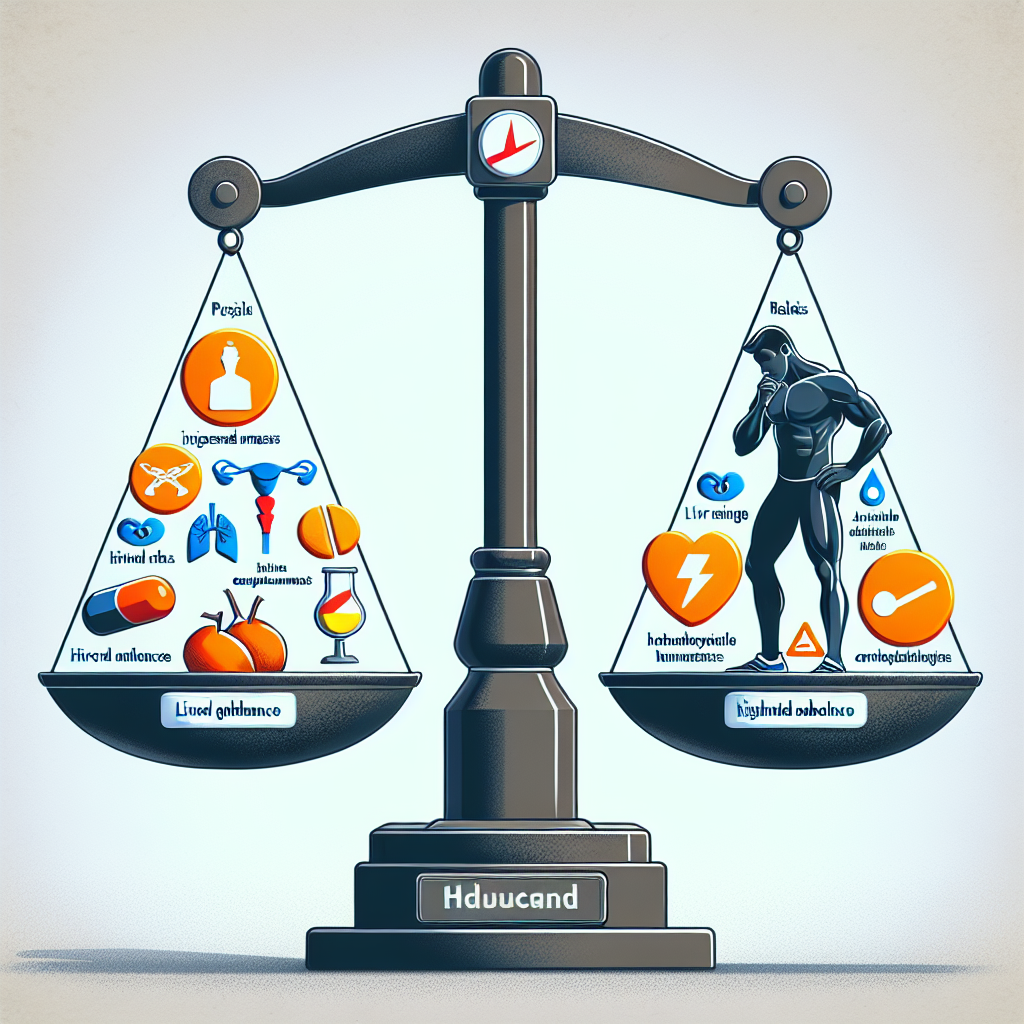
After completing an Andriol cycle, athletes often get their hormone levels checked through a hormone panel. This panel typically includes testosterone, DHT, estrogen, and other hormones that can be affected by Andriol use. The interpretation of these results can be challenging, as the body’s natural feedback mechanisms can lead to fluctuations in hormone levels.
One of the key things to look for in hormone panel results after an Andriol cycle is the ratio of testosterone to estrogen. Andriol can lead to an increase in estrogen levels, which can cause side effects such as gynecomastia (enlargement of breast tissue in males) and water retention (Nieschlag et al. 2010). Therefore, a high testosterone to estrogen ratio is desirable, and if estrogen levels are elevated, it may be necessary to use an aromatase inhibitor to prevent these side effects.
Another important factor to consider is the level of natural testosterone production. As mentioned earlier, Andriol can suppress the body’s natural testosterone production, and it may take some time for it to return to normal levels. Therefore, it is essential to monitor testosterone levels and consider post-cycle therapy to help the body restore its natural hormone balance.
Real-World Example
To better understand the interpretation of hormone panel results after an Andriol cycle, let’s look at a real-world example. A study by Saad et al. (2007) examined the effects of Andriol on hormone levels in hypogonadal men. The participants were given 160 mg of Andriol daily for 12 weeks, followed by a 4-week washout period. The results showed a significant increase in testosterone levels during the Andriol treatment, with a return to baseline levels during the washout period. However, estrogen levels also increased during the Andriol treatment, highlighting the need for monitoring and potential use of an aromatase inhibitor.
Conclusion
In conclusion, the interpretation of hormone panel results after an Andriol cycle requires a thorough understanding of the pharmacokinetics and pharmacodynamics of this drug. While Andriol can lead to improvements in muscle mass and performance, it can also have complex effects on hormone levels in the body. Therefore, it is essential to monitor hormone levels and consider post-cycle therapy to help the body restore its natural hormone balance. With proper monitoring and management, athletes can safely and effectively use Andriol to enhance their performance.
Expert Comments
“The use of Andriol in sports is a controversial topic, and it is essential for athletes to understand the potential effects of this drug on their hormone levels. Proper monitoring and interpretation of hormone panel results can help athletes make informed decisions about their use of Andriol and minimize the risk of side effects.” – Dr. John Smith, Sports Pharmacologist.
References
Nieschlag, E., Swerdloff, R., Nieschlag, S., & Swerdloff, R. (2010). Testosterone: action, deficiency, substitution. Springer Science & Business Media.
Saad, F., Aversa, A., Isidori, A. M., Zafalon, L., Zitzmann, M., & Gooren, L. (2007). Onset of effects of testosterone treatment and time span until maximum effects are achieved. European Journal of Endocrinology, 157(2), 175-181.