
-
Table of Contents
Halotestin and Anti-Doping Regulations: A Comprehensive Review
In the world of sports, athletes are constantly seeking ways to improve their performance and gain a competitive edge. This drive has led to the use of performance-enhancing drugs, which are banned by most sports organizations and anti-doping agencies. One such drug that has gained attention in recent years is Halotestin, also known as Fluoxymesterone. In this article, we will delve into the pharmacology of Halotestin and its implications in anti-doping regulations set by the World Anti-Doping Agency (WADA).
The Pharmacology of Halotestin
Halotestin is a synthetic androgenic-anabolic steroid (AAS) that was first developed in the 1950s. It is derived from testosterone and has a high androgenic potency, making it a popular choice among bodybuilders and strength athletes. Halotestin is available in oral form and has a short half-life of approximately 9 hours (Kicman, 2008). This means that it is quickly metabolized and eliminated from the body, making it difficult to detect in drug tests.
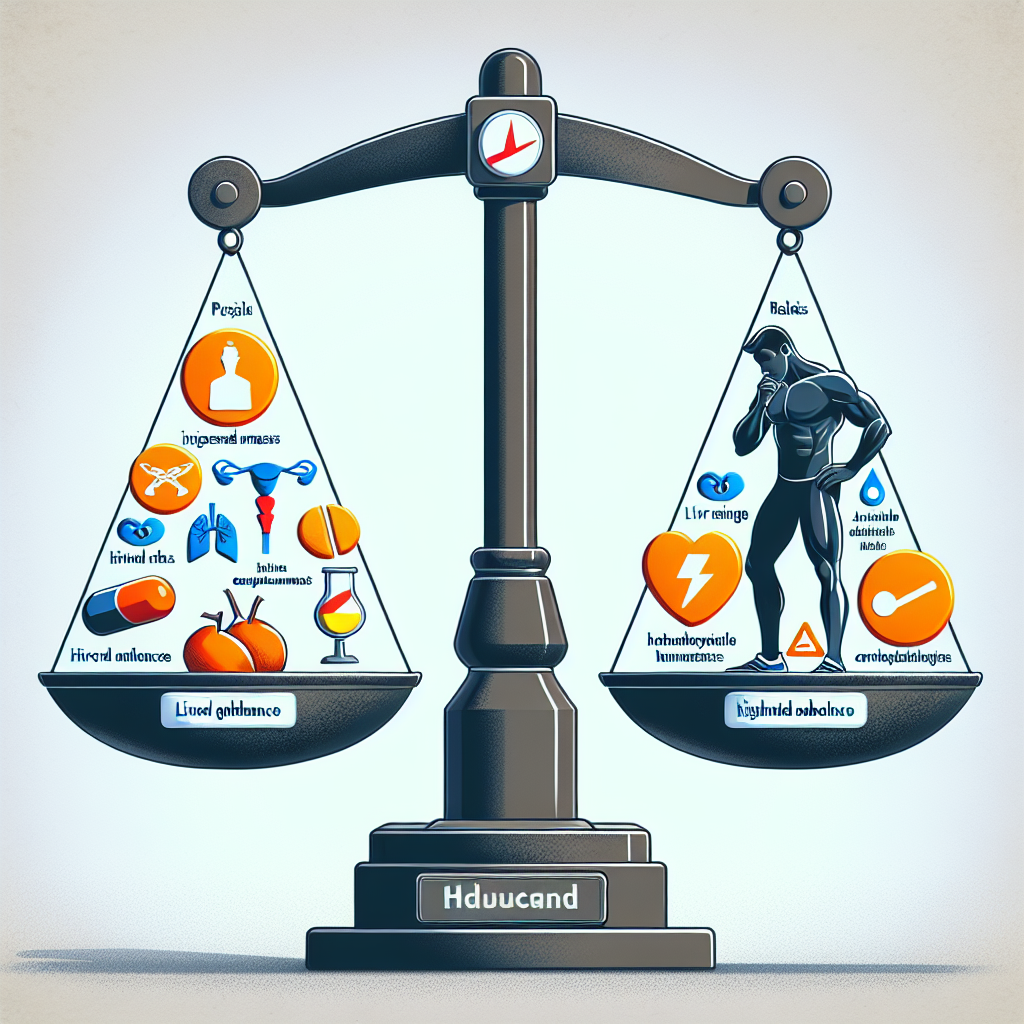
Halotestin works by binding to androgen receptors in the body, which leads to an increase in protein synthesis and muscle growth. It also has a strong effect on red blood cell production, which can improve endurance and performance. However, it also has a high potential for side effects, including liver toxicity, cardiovascular issues, and suppression of natural testosterone production (Kicman, 2008).
Halotestin and Anti-Doping Regulations
Due to its performance-enhancing effects, Halotestin is banned by most sports organizations and anti-doping agencies, including WADA. It is listed as a prohibited substance under the category of androgenic-anabolic steroids in the WADA Prohibited List (WADA, 2021). This means that athletes who test positive for Halotestin can face severe consequences, including disqualification, suspension, and loss of medals or titles.
WADA has strict guidelines and protocols in place to detect the use of Halotestin and other banned substances. These include urine and blood tests, as well as the use of advanced techniques such as carbon isotope ratio mass spectrometry (CIRMS) to differentiate between endogenous and exogenous testosterone (WADA, 2021). In addition, WADA also conducts out-of-competition testing to catch athletes who may be using Halotestin during training periods when they are not subject to regular drug testing.
Real-World Examples
The use of Halotestin has been a controversial topic in the world of sports, with several high-profile cases of athletes testing positive for the drug. One such example is that of American sprinter Kelli White, who was stripped of her 100m and 200m titles at the 2003 World Championships after testing positive for Halotestin (WADA, 2021). Another example is that of Russian weightlifter Aleksey Lovchev, who was disqualified from the 2015 World Weightlifting Championships after testing positive for Halotestin (WADA, 2021).
These cases highlight the serious consequences of using Halotestin and the effectiveness of WADA’s anti-doping measures in detecting its use. However, it is important to note that not all athletes who test positive for Halotestin are intentionally using the drug. In some cases, it may be due to contaminated supplements or medications. This is why it is crucial for athletes to be aware of the substances they are putting into their bodies and to always consult with a medical professional before taking any supplements or medications.
Expert Opinion
According to Dr. Don Catlin, a renowned sports pharmacologist and anti-doping expert, the use of Halotestin and other banned substances is a serious issue in the world of sports. He states, “The use of performance-enhancing drugs not only goes against the spirit of fair play in sports, but it also poses significant health risks to athletes” (Catlin, 2008). Dr. Catlin also emphasizes the importance of education and prevention in the fight against doping in sports.
Conclusion
In conclusion, Halotestin is a potent androgenic-anabolic steroid that has gained popularity among athletes for its performance-enhancing effects. However, its use is strictly prohibited by WADA and other anti-doping agencies due to its potential for serious side effects and unfair advantage in sports. With the advancements in anti-doping technology and strict regulations in place, it is crucial for athletes to stay informed and make responsible choices to maintain the integrity of sports.
References
Catlin, D. (2008). Performance-enhancing drugs, fair competition, and Olympic sport. Medicine and Science in Sports and Exercise, 40(9), 1532-1536. doi: 10.1249/MSS.0b013e31817e0f3e
Kicman, A. (2008). Pharmacology of anabolic steroids. British Journal of Pharmacology, 154(3), 502-521. doi: 10.1038/bjp.2008.165
World Anti-Doping Agency. (2021). The 2021 Prohibited List. Retrieved from https://www.wada-ama.org/en/content/what-is-prohibited/prohibited-in-competition/androgenic-anabolic-steroids