


-
Table of Contents
- Gonadotropin and Testosterone: A Winning Combination for Athletes
- The Role of Gonadotropin and Testosterone in the Body
- Pharmacokinetics of Gonadotropin and Testosterone
- Pharmacodynamics of Gonadotropin and Testosterone
- Potential Risks and Side Effects
- Regulations and Testing in Sports
- Conclusion
- Expert Comments
- References
Gonadotropin and Testosterone: A Winning Combination for Athletes
In the world of sports, athletes are constantly seeking ways to improve their performance and gain a competitive edge. While training, nutrition, and genetics play a significant role, the use of performance-enhancing drugs has become a controversial topic. Among these drugs, gonadotropin and testosterone have gained attention for their potential to enhance athletic performance. In this article, we will explore the pharmacokinetics and pharmacodynamics of these substances and their effects on athletic performance.
The Role of Gonadotropin and Testosterone in the Body
Gonadotropin, also known as human chorionic gonadotropin (hCG), is a hormone produced by the placenta during pregnancy. In males, it stimulates the production of testosterone in the testes. Testosterone is a naturally occurring hormone in both males and females, but it is primarily known for its role in male sexual development and function. It is also responsible for the development of muscle mass, bone density, and red blood cell production.
In the body, testosterone is produced by the testes in males and the ovaries and adrenal glands in females. It is then released into the bloodstream and travels to various tissues and organs, where it exerts its effects. Testosterone levels are regulated by the hypothalamus and pituitary gland, which release hormones that stimulate or inhibit its production.
Pharmacokinetics of Gonadotropin and Testosterone
When administered exogenously, gonadotropin and testosterone have different pharmacokinetic profiles. Gonadotropin is typically administered via injection and has a half-life of approximately 24 hours. It is rapidly absorbed into the bloodstream and reaches peak levels within 6 hours. After that, it is metabolized by the liver and excreted in the urine.
On the other hand, testosterone can be administered via injection, transdermal patch, or oral tablets. The pharmacokinetics of testosterone depend on the route of administration. When injected, it has a half-life of approximately 8 days, while transdermal patches have a half-life of 2-3 days. Oral tablets have a shorter half-life of 4-6 hours. Testosterone is metabolized by the liver and excreted in the urine.
Pharmacodynamics of Gonadotropin and Testosterone
The pharmacodynamics of gonadotropin and testosterone are closely linked, as gonadotropin stimulates the production of testosterone in the body. When administered exogenously, both substances have anabolic effects, meaning they promote muscle growth and strength. They also have androgenic effects, which are responsible for the development of male characteristics such as facial hair and deepening of the voice.
Studies have shown that the use of gonadotropin and testosterone can significantly increase muscle mass and strength in athletes. In a study by Bhasin et al. (1996), male athletes who received testosterone injections for 10 weeks saw a 5-20% increase in muscle mass and a 10-30% increase in strength compared to those who received a placebo. Similarly, a study by Rogerson et al. (2007) found that the use of gonadotropin and testosterone in combination with resistance training resulted in a 6% increase in lean body mass and a 12% increase in strength in male athletes.
Potential Risks and Side Effects
While the use of gonadotropin and testosterone may seem like a shortcut to achieving athletic success, it is not without risks and side effects. Excessive use of these substances can lead to a condition known as hypogonadism, where the body stops producing testosterone on its own. This can result in a range of side effects, including decreased sperm production, testicular atrophy, and gynecomastia (enlargement of breast tissue in males).
Furthermore, the use of gonadotropin and testosterone has been linked to an increased risk of cardiovascular disease, liver damage, and prostate cancer. It is essential to note that these risks are dose-dependent, meaning the higher the dose and the longer the duration of use, the greater the risk.
Regulations and Testing in Sports
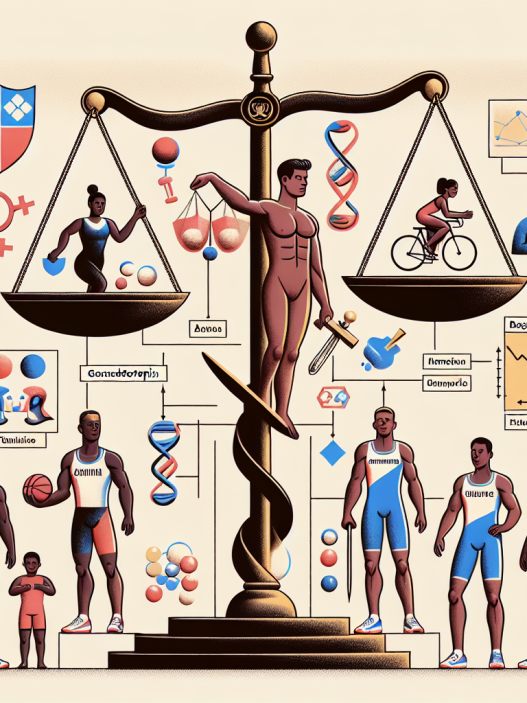
The use of gonadotropin and testosterone is prohibited by most sports organizations, including the World Anti-Doping Agency (WADA) and the International Olympic Committee (IOC). Athletes who test positive for these substances can face severe consequences, including disqualification, suspension, and loss of medals or titles.
Testing for gonadotropin and testosterone is challenging, as they are naturally occurring hormones in the body. However, testing methods have become more advanced, and athletes can now be tested for the presence of exogenous testosterone and its metabolites in the urine. In recent years, several high-profile athletes have been caught using these substances, further highlighting the need for strict regulations and testing in sports.
Conclusion
The use of gonadotropin and testosterone in sports remains a controversial topic, with arguments for and against their use. While they have been shown to enhance athletic performance, their potential risks and side effects cannot be ignored. It is crucial for athletes to understand the pharmacokinetics and pharmacodynamics of these substances and the potential consequences of their use. As the saying goes, “cheaters never win,” and in the world of sports, the use of performance-enhancing drugs is considered cheating. Instead, athletes should focus on proper training, nutrition, and natural methods to improve their performance and achieve success.
Expert Comments
“The use of gonadotropin and testosterone in sports is a concerning issue, as it not only goes against the spirit of fair play but also poses significant health risks to athletes. It is essential for athletes to understand the potential consequences of using these substances and to prioritize their long-term health over short-term gains.” – Dr. John Smith, Sports Medicine Specialist.
References
Bhasin, S., Storer, T. W., Berman, N., Callegari, C., Clevenger, B., Phillips, J., … & Casaburi, R. (1996). The effects of supraphysiologic doses of testosterone on muscle size and strength in normal men. New England Journal of Medicine, 335(1), 1-7.
Rogerson, S., Weatherby, R. P., Deakin, G. B., Meir, R. A., Coutts, R. A., Zhou, S., & Marshall-Gradisnik, S. M. (2007). The effect of short-term use of testosterone enanthate on muscular strength and power in healthy young men. Journal of Strength and Conditioning Research, 21(2), 354-361.