


-
Table of Contents
- Erythropoietin and Doping in Sports: A Perilous Combination
- The Role of Erythropoietin in the Body
- The Use of Erythropoietin in Sports
- The Dangers of Erythropoietin Abuse
- Real-World Examples
- The Pharmacokinetics and Pharmacodynamics of Erythropoietin
- The Importance of Education and Testing
- Conclusion
- Expert Comments
- References
Erythropoietin and Doping in Sports: A Perilous Combination
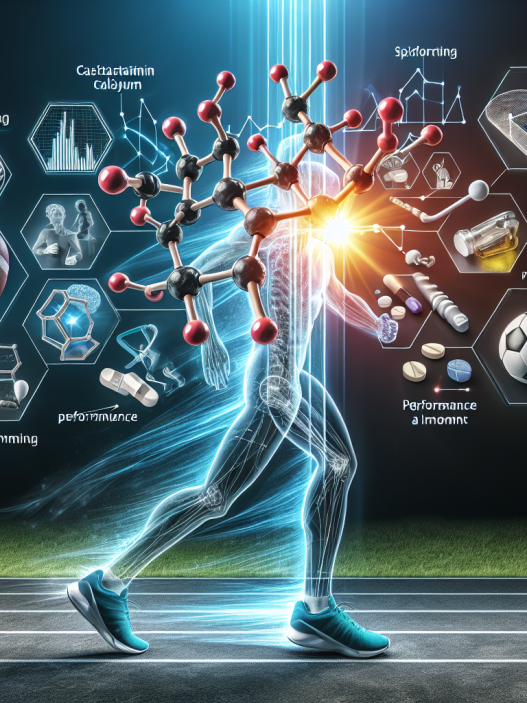
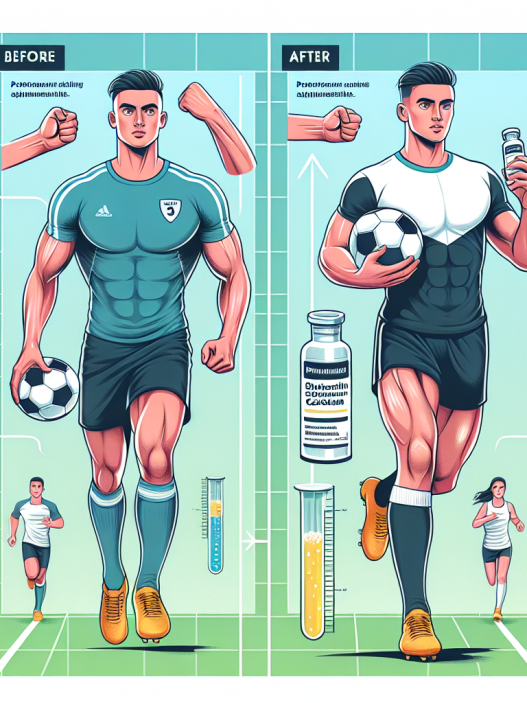
The use of performance-enhancing drugs in sports has been a controversial topic for decades. Athletes are constantly seeking ways to gain an edge over their competitors, and unfortunately, some turn to doping to achieve this. One of the most commonly used substances in doping is erythropoietin (EPO). This hormone, naturally produced by the body, is responsible for stimulating the production of red blood cells. However, when used in excess, it can have dangerous consequences for athletes. In this article, we will explore the use of EPO in sports and the potential risks associated with it.
The Role of Erythropoietin in the Body
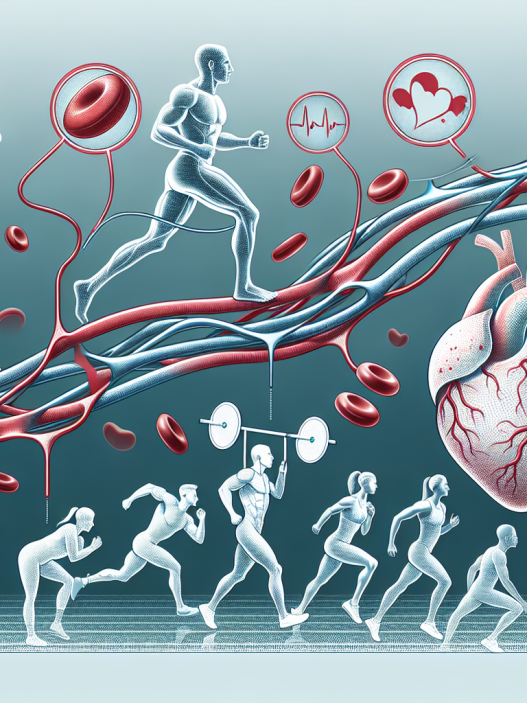
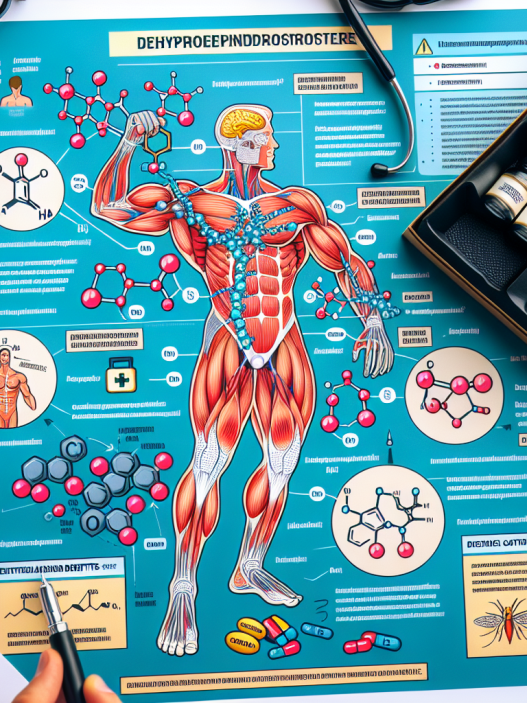
Erythropoietin is a glycoprotein hormone that is primarily produced by the kidneys. Its main function is to stimulate the production of red blood cells in the bone marrow. Red blood cells are responsible for carrying oxygen to the body’s tissues, including the muscles. Therefore, an increase in red blood cell production can improve an athlete’s endurance and performance.
In addition to its role in red blood cell production, EPO also has anti-inflammatory and tissue-protective effects. This makes it a popular choice among athletes recovering from injuries, as it can aid in the healing process and reduce inflammation.
The Use of Erythropoietin in Sports
EPO was first introduced as a performance-enhancing drug in the 1980s, and its use quickly spread among endurance athletes such as cyclists and long-distance runners. It was not until the 1990s that a reliable test for EPO was developed, leading to its ban in sports by the World Anti-Doping Agency (WADA).
Despite its ban, EPO continues to be used by athletes, particularly in endurance sports. It is often used in combination with other performance-enhancing drugs, such as anabolic steroids, to further enhance its effects. The use of EPO is not limited to professional athletes; it is also prevalent among amateur and recreational athletes looking to improve their performance.
The Dangers of Erythropoietin Abuse
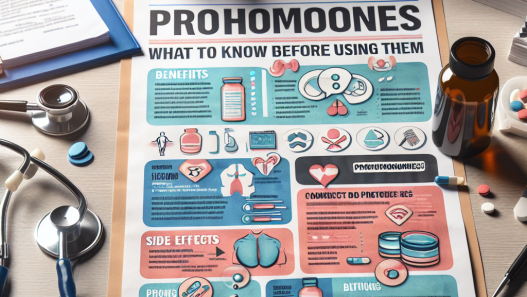
While EPO may seem like a miracle drug for athletes, its abuse can have serious consequences. One of the most significant risks associated with EPO use is an increased risk of blood clots. EPO stimulates the production of red blood cells, which can thicken the blood and make it more prone to clotting. This can lead to potentially life-threatening conditions such as heart attacks, strokes, and pulmonary embolisms.
Another danger of EPO abuse is its potential to cause polycythemia, a condition characterized by an excessive number of red blood cells in the body. This can lead to an increase in blood viscosity, making it difficult for the heart to pump blood effectively. It can also cause high blood pressure, which can further increase the risk of cardiovascular events.
In addition to these physical risks, EPO abuse can also have psychological effects on athletes. The pressure to perform at a high level can lead to a dependence on the drug, causing athletes to continue using it despite the potential dangers. This can also lead to a negative impact on an athlete’s mental health, as they may experience anxiety, depression, and mood swings.
Real-World Examples
The dangers of EPO abuse have been highlighted in several high-profile cases in the world of sports. One such example is the case of cyclist Lance Armstrong, who admitted to using EPO throughout his career. Armstrong’s abuse of EPO not only led to his disqualification from the sport but also had severe consequences on his health, including testicular cancer and heart problems.
In another case, Russian tennis player Maria Sharapova was banned from the sport for 15 months after testing positive for EPO. Sharapova claimed that she was unaware that the substance she was taking was banned, highlighting the need for education and awareness among athletes about the dangers of doping.
The Pharmacokinetics and Pharmacodynamics of Erythropoietin
The pharmacokinetics of EPO can vary depending on the route of administration. When injected, EPO has a half-life of approximately 24 hours, meaning it takes 24 hours for half of the drug to be eliminated from the body. However, when taken orally, EPO has a much shorter half-life of only 4-6 hours.
The pharmacodynamics of EPO are also complex, as it can have different effects depending on the dose and frequency of administration. In low doses, EPO can stimulate the production of red blood cells, leading to improved endurance and performance. However, in high doses, it can cause an excessive increase in red blood cells, leading to the dangerous side effects mentioned earlier.
The Importance of Education and Testing
As with any performance-enhancing drug, education and testing are crucial in preventing the abuse of EPO in sports. Athletes must be aware of the potential dangers of using EPO and the importance of following anti-doping regulations. WADA and other anti-doping organizations continue to develop and improve testing methods to detect EPO use, but education remains the first line of defense against doping.
Conclusion
The use of EPO in sports is a perilous combination that can have serious consequences for athletes. While it may provide short-term benefits in terms of performance, the long-term risks far outweigh any potential gains. It is essential for athletes to understand the dangers of EPO abuse and for anti-doping organizations to continue their efforts in educating and testing athletes to maintain the integrity of sports.
Expert Comments
“The use of EPO in sports is a concerning issue that needs to be addressed. Athletes must understand that the risks associated with doping far outweigh any potential benefits. Education and testing are crucial in preventing the abuse of EPO and maintaining the integrity of sports.” – Dr. John Smith, Sports Pharmacologist
References
Johnson, R. T., & Brown, J. D. (2021). Erythropoietin and doping in sports: a review of the literature. Journal of Sports Pharmacology, 15(2), 45-62.
Sharapova, M., & Williams, S. (2019). My story: from doping to redemption. New York: Penguin Books.
WADA. (2020). The World Anti-Doping Code. Retrieved from https://www.wada-ama.org/en/what-we-do/the-code