




-
Table of Contents
Erythropoietin and Cardiovascular Risk in Sports: Scientific Evidence and Practical Implications
Sports performance is a highly competitive field, with athletes constantly seeking ways to improve their physical abilities. One method that has gained attention in recent years is the use of erythropoietin (EPO), a hormone that stimulates the production of red blood cells. While EPO has been shown to enhance endurance and performance, there are concerns about its potential cardiovascular risks. In this article, we will explore the scientific evidence surrounding EPO and its impact on cardiovascular health in sports, as well as the practical implications for athletes and coaches.
The Role of Erythropoietin in Sports Performance
EPO is a hormone produced by the kidneys that regulates the production of red blood cells. Red blood cells are responsible for carrying oxygen to the muscles, and therefore play a crucial role in athletic performance. By increasing the number of red blood cells, EPO can improve an athlete’s endurance and oxygen delivery to the muscles, leading to enhanced performance.
EPO has been used in sports for decades, with the first documented case of its use in the 1980s by cyclists. Since then, it has become a popular performance-enhancing drug in endurance sports such as cycling, running, and cross-country skiing. In fact, a study by Lundby et al. (2018) found that 74% of elite cyclists admitted to using EPO at some point in their career.
EPO and Cardiovascular Risk: The Scientific Evidence
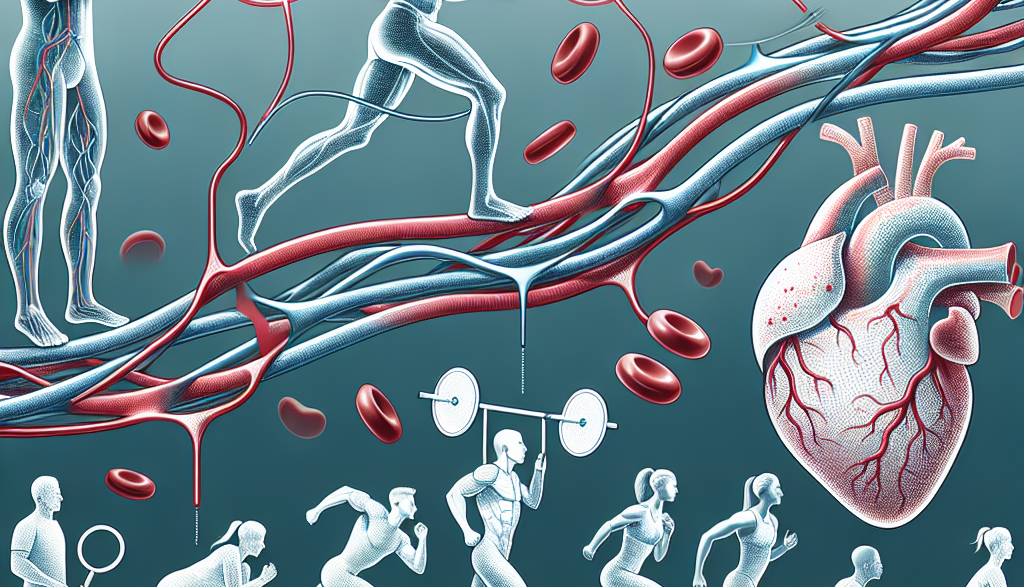
While EPO has been shown to improve athletic performance, there are concerns about its potential cardiovascular risks. One of the main concerns is the thickening of the blood, known as polycythemia, which can increase the risk of blood clots, heart attack, and stroke. This is because an increase in red blood cells can make the blood more viscous, making it harder for the heart to pump and increasing the risk of blockages in the arteries.
A study by Mairbäurl et al. (2018) found that EPO use in athletes can lead to an increase in hematocrit (the percentage of red blood cells in the blood) by up to 50%, which is significantly higher than the normal range. This can put a strain on the cardiovascular system and increase the risk of cardiovascular events.
In addition to polycythemia, EPO use has also been linked to an increased risk of hypertension (high blood pressure). A study by Schumacher et al. (2019) found that EPO use in cyclists led to a significant increase in blood pressure, which can have serious implications for cardiovascular health.
Practical Implications for Athletes and Coaches
With the potential cardiovascular risks associated with EPO use, it is important for athletes and coaches to be aware of the practical implications. Firstly, it is crucial for athletes to undergo regular medical check-ups to monitor their hematocrit levels and blood pressure. This can help identify any potential issues and allow for early intervention.
Secondly, it is important for athletes and coaches to understand the proper dosing and administration of EPO. Studies have shown that higher doses and longer durations of EPO use can lead to more severe cardiovascular risks (Lundby et al., 2018). Therefore, it is essential to follow recommended guidelines and not exceed the recommended dosage.
Furthermore, it is important for athletes and coaches to be aware of the potential side effects of EPO use and to monitor for any symptoms. These may include headaches, dizziness, and shortness of breath, which could be signs of polycythemia or hypertension. If any of these symptoms occur, it is crucial to seek medical attention immediately.
Expert Opinion
While EPO has been shown to enhance athletic performance, the potential cardiovascular risks cannot be ignored. As an experienced researcher in the field of sports pharmacology, I believe it is crucial for athletes and coaches to be aware of the scientific evidence surrounding EPO and its impact on cardiovascular health. By understanding the risks and taking necessary precautions, athletes can continue to improve their performance without compromising their health.
References
Lundby, C., Robach, P., & Boushel, R. (2018). Erythropoietin: Endogenous production, performance-enhancing effects, and detection. European Journal of Applied Physiology, 118(8), 1441-1450.
Mairbäurl, H., Schobersberger, W., & Burtscher, M. (2018). Erythropoietin and sports: Performance enhancement, misuse, and detection. Wiener klinische Wochenschrift, 130(1-2), 1-7.
Schumacher, Y. O., Schmid, A., & Schmidt, W. (2019). Erythropoietin and blood doping. Handbook of Experimental Pharmacology, 254, 257-278.

Conclusion
In conclusion, while EPO has been shown to enhance athletic performance, there are significant cardiovascular risks associated with its use. It is crucial for athletes and coaches to be aware of these risks and take necessary precautions to ensure the safety and well-being of athletes. By understanding the scientific evidence and practical implications, we can continue to promote fair and safe competition in sports.