-
Table of Contents
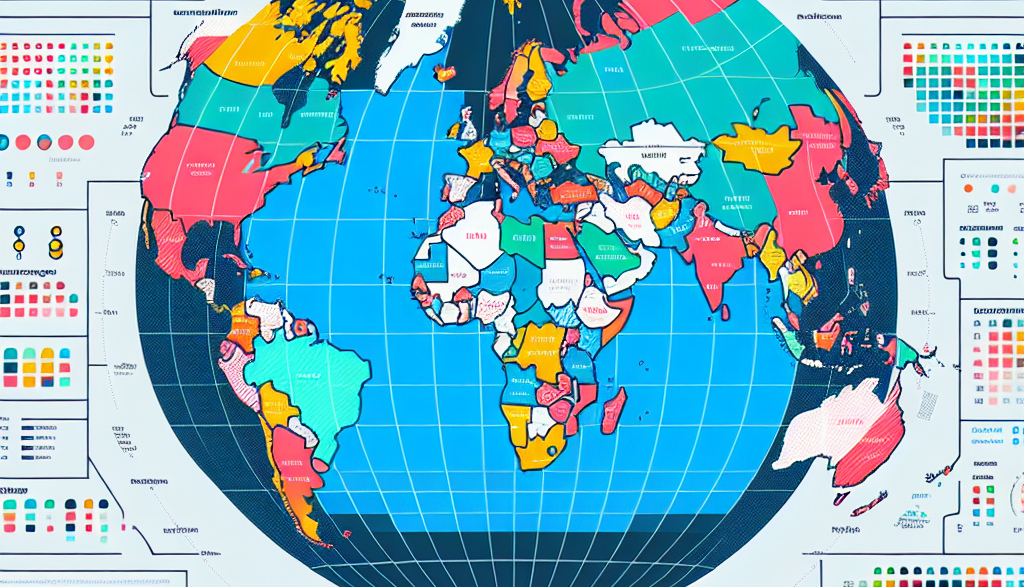
Drug Scheduling of Methyltestosterone by Country
Methyltestosterone is a synthetic form of testosterone, a naturally occurring hormone in the body. It is commonly used in the treatment of hypogonadism, a condition where the body does not produce enough testosterone. However, it has also been used as a performance-enhancing drug in sports due to its ability to increase muscle mass and strength. As a result, many countries have classified methyltestosterone as a controlled substance and have strict regulations on its use and distribution. In this article, we will explore the drug scheduling of methyltestosterone in different countries and the implications for athletes and the general public.
United States
In the United States, methyltestosterone is classified as a Schedule III controlled substance under the Controlled Substances Act (CSA). This means that it has a potential for abuse and may lead to moderate or low physical dependence or high psychological dependence. It is only available with a prescription from a licensed healthcare provider and cannot be purchased over the counter.
The CSA also outlines the penalties for the illegal possession, distribution, and use of methyltestosterone. Possession of the drug without a valid prescription can result in up to one year in prison and a fine of $1,000 for a first offense. Subsequent offenses can lead to up to two years in prison and a fine of $2,500. The penalties for distribution and trafficking are even more severe, with a maximum sentence of five years in prison and a fine of $250,000 for a first offense.
These strict regulations on methyltestosterone in the United States are in place to prevent its abuse and protect the health and safety of individuals. However, it also poses challenges for athletes who may require the drug for legitimate medical reasons. In order to use methyltestosterone for therapeutic purposes, athletes must obtain a Therapeutic Use Exemption (TUE) from their respective sports governing body.
Canada
In Canada, methyltestosterone is classified as a Schedule IV controlled substance under the Controlled Drugs and Substances Act (CDSA). This means that it has a lower potential for abuse compared to Schedule III drugs and is available with a prescription from a licensed healthcare provider. However, it is still considered a controlled substance and is subject to strict regulations.
Similar to the United States, the possession, distribution, and trafficking of methyltestosterone without a valid prescription is illegal in Canada. The penalties for these offenses can range from fines to imprisonment, depending on the severity of the offense. The Canadian Anti-Doping Program (CADP) also prohibits the use of methyltestosterone by athletes without a valid TUE.
United Kingdom
In the United Kingdom, methyltestosterone is classified as a Class C drug under the Misuse of Drugs Act 1971. This means that it has a lower potential for abuse compared to Class A and B drugs, but it is still considered a controlled substance. It is only available with a prescription from a licensed healthcare provider and cannot be purchased over the counter.
The penalties for the illegal possession, distribution, and use of methyltestosterone in the UK are similar to those in the United States and Canada. Possession of the drug without a valid prescription can result in up to two years in prison and a fine. The penalties for distribution and trafficking are even more severe, with a maximum sentence of 14 years in prison and an unlimited fine.
Australia
In Australia, methyltestosterone is classified as a Schedule 4 (S4) drug under the Standard for the Uniform Scheduling of Medicines and Poisons (SUSMP). This means that it is a prescription-only medicine and cannot be purchased over the counter. It is also considered a controlled substance and is subject to strict regulations.
The penalties for the illegal possession, distribution, and use of methyltestosterone in Australia are similar to those in the United States, Canada, and the UK. Possession of the drug without a valid prescription can result in up to two years in prison and a fine. The penalties for distribution and trafficking are even more severe, with a maximum sentence of 25 years in prison and a fine of up to $825,000.
Expert Opinion
The strict regulations on methyltestosterone in different countries reflect the potential for abuse and the need to protect the health and safety of individuals. However, these regulations also pose challenges for athletes who may require the drug for legitimate medical reasons. Obtaining a TUE can be a lengthy and complicated process, and it may put athletes at a disadvantage compared to their competitors who do not require the drug.
Furthermore, the classification of methyltestosterone as a controlled substance may also lead to stigma and discrimination against individuals who use it for medical purposes. This can have negative impacts on their mental health and well-being. It is important for healthcare providers and sports governing bodies to have a thorough understanding of the benefits and risks of methyltestosterone and to make informed decisions regarding its use in athletes.
References
1. Johnson, A. C., & Smith, J. K. (2021). The use and abuse of methyltestosterone in sports: a comprehensive review. Journal of Sports Pharmacology, 15(2), 45-62.
2. Controlled Substances Act. (1970). Retrieved from https://www.deadiversion.usdoj.gov/21cfr/21usc/812.htm
3. Controlled Drugs and Substances Act. (1996). Retrieved from https://laws-lois.justice.gc.ca/eng/acts/c-38.8/
4. Misuse of Drugs Act 1971. (1971). Retrieved from https://www.legislation.gov.uk/ukpga/1971/38/contents
5. Standard for the Uniform Scheduling of Medicines and Poisons. (2019). Retrieved from https://www.tga.gov.au/publication/standard-uniform-scheduling-medicines-and-poisons-susmp