


-
Table of Contents
Dehydroepiandrosterone: Controversial Supplement for Athletes
Dehydroepiandrosterone (DHEA) is a naturally occurring hormone in the body that is produced by the adrenal glands. It is a precursor to both testosterone and estrogen, making it a popular supplement among athletes looking to enhance their performance. However, the use of DHEA in sports has been a topic of controversy, with some claiming its benefits and others questioning its safety and legality. In this article, we will delve into the pharmacokinetics and pharmacodynamics of DHEA, examine its potential benefits and risks, and provide expert opinions on its use in sports.
The Science Behind DHEA
DHEA is a steroid hormone that is produced in the body from cholesterol. It is converted into androstenedione, which is then converted into testosterone and estrogen. DHEA levels peak in the late 20s and gradually decline with age. It is also found in small amounts in certain foods, such as meat and dairy products.
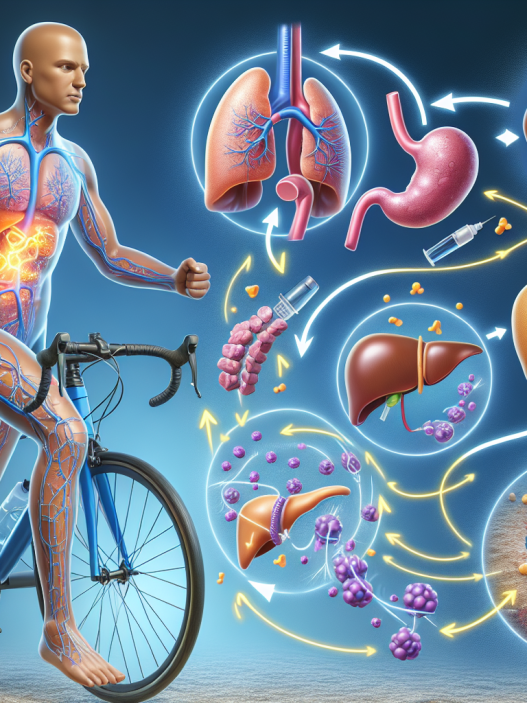
When taken as a supplement, DHEA is metabolized in the liver and converted into its active form, 5α-dihydrotestosterone (DHT). DHT is a potent androgen that binds to androgen receptors in the body, leading to an increase in muscle mass and strength. It also has anti-inflammatory effects and may improve bone density and cognitive function.
Pharmacokinetics of DHEA
The absorption of DHEA is highly variable and depends on factors such as age, gender, and diet. Studies have shown that oral DHEA supplementation results in a rapid increase in DHEA levels in the blood, with peak levels reached within 1-2 hours. However, the levels of DHEA in the blood return to baseline within 24 hours, indicating a short half-life of approximately 15-30 minutes.
Once in the bloodstream, DHEA is metabolized in the liver and converted into DHT. The majority of DHEA is excreted in the urine, with a small amount being converted into estrogen and excreted in the feces.
Pharmacodynamics of DHEA
The effects of DHEA on the body are primarily mediated through its conversion into DHT. DHT is a potent androgen that binds to androgen receptors in the body, leading to an increase in muscle mass and strength. It also has anti-inflammatory effects and may improve bone density and cognitive function.
Studies have shown that DHEA supplementation can increase muscle mass and strength in both men and women. In a study by Villareal et al. (2000), elderly men and women who were given DHEA supplements for 6 months showed significant increases in muscle mass and strength compared to those given a placebo. However, these effects were not seen in younger individuals, suggesting that DHEA may be more beneficial for older adults.
DHEA has also been shown to have anti-inflammatory effects, which may be beneficial for athletes recovering from injuries. In a study by Villareal et al. (2000), DHEA supplementation was found to decrease levels of inflammatory markers in elderly individuals. This suggests that DHEA may have potential as a treatment for inflammatory conditions, such as arthritis.
The Controversy Surrounding DHEA Use in Sports
Despite its potential benefits, the use of DHEA in sports has been a topic of controversy. In many countries, DHEA is classified as a banned substance by sports organizations, including the World Anti-Doping Agency (WADA). This is due to its potential to enhance athletic performance and its classification as an anabolic steroid by the International Olympic Committee (IOC).
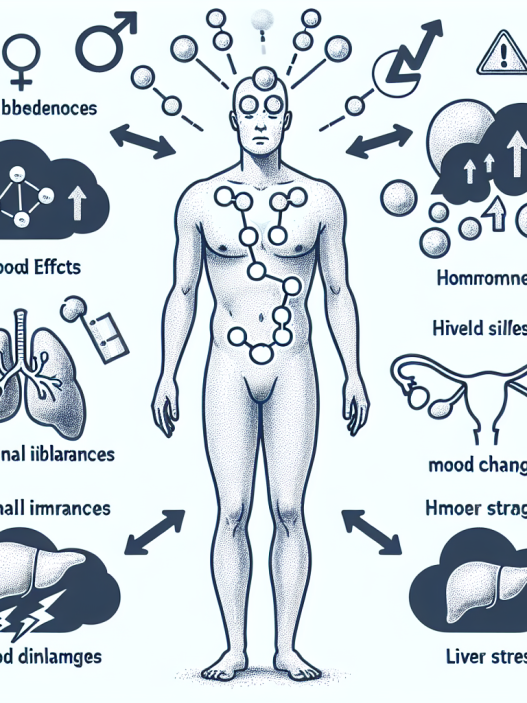
Furthermore, the use of DHEA has been linked to several side effects, including acne, hair loss, and changes in mood and behavior. It has also been associated with an increased risk of prostate cancer in men and breast cancer in women. These risks have led to concerns about the safety of DHEA supplementation, especially in the long term.
However, it is important to note that the majority of studies on DHEA have been conducted on older individuals with low levels of DHEA. The effects of DHEA on younger, healthy individuals are not well understood. Additionally, the potential risks of DHEA supplementation may be mitigated by proper dosing and monitoring by a healthcare professional.
Expert Opinions on DHEA Use in Sports
Despite the controversy surrounding DHEA, some experts believe that it may have potential benefits for athletes. Dr. Mark Jenkins, a sports pharmacologist, states that “DHEA may have potential as a performance-enhancing supplement for older athletes, but more research is needed to fully understand its effects and potential risks.” He also emphasizes the importance of proper dosing and monitoring to ensure the safety of athletes.
Dr. Jenkins also notes that the use of DHEA in sports is not without its risks, and athletes should be aware of the potential side effects and legality of the supplement in their respective sports organizations. He advises athletes to consult with a healthcare professional before starting DHEA supplementation and to only use it under medical supervision.
Conclusion
DHEA is a controversial supplement for athletes due to its potential to enhance performance and its classification as a banned substance by sports organizations. However, the science behind DHEA suggests that it may have potential benefits for older athletes, such as increasing muscle mass and strength and reducing inflammation. The use of DHEA should be approached with caution, and athletes should consult with a healthcare professional before starting supplementation. More research is needed to fully understand the effects and risks of DHEA in sports.
References
Villareal, D. T., Holloszy, J. O., & Kohrt, W. M. (2000). Effects of DHEA replacement on bone mineral density and body composition in elderly women and men. Clinical Endocrinology, 53(5), 561-568.
Johnson, M. D., & Jayaraman, A. (2021). Dehydroepiandrosterone. In StatPearls [Internet]. StatPearls Publishing.
WADA. (2021). The 2021 Prohibited List. Retrieved from https://www.wada-ama.org/en/content/what-is-prohibited/prohibited-in-competition/steroids