



-
Table of Contents
Chirality and Stereochemistry of Oxandrolone
Oxandrolone, also known by its brand name Anavar, is a synthetic anabolic-androgenic steroid (AAS) that has gained popularity in the sports world for its performance-enhancing effects. It is a derivative of dihydrotestosterone (DHT) and was first introduced in the 1960s for medical use in treating muscle wasting diseases and promoting weight gain in patients with chronic illnesses. However, its use has extended beyond medical purposes and has become a widely used substance in the sports industry.
Chirality and Stereochemistry
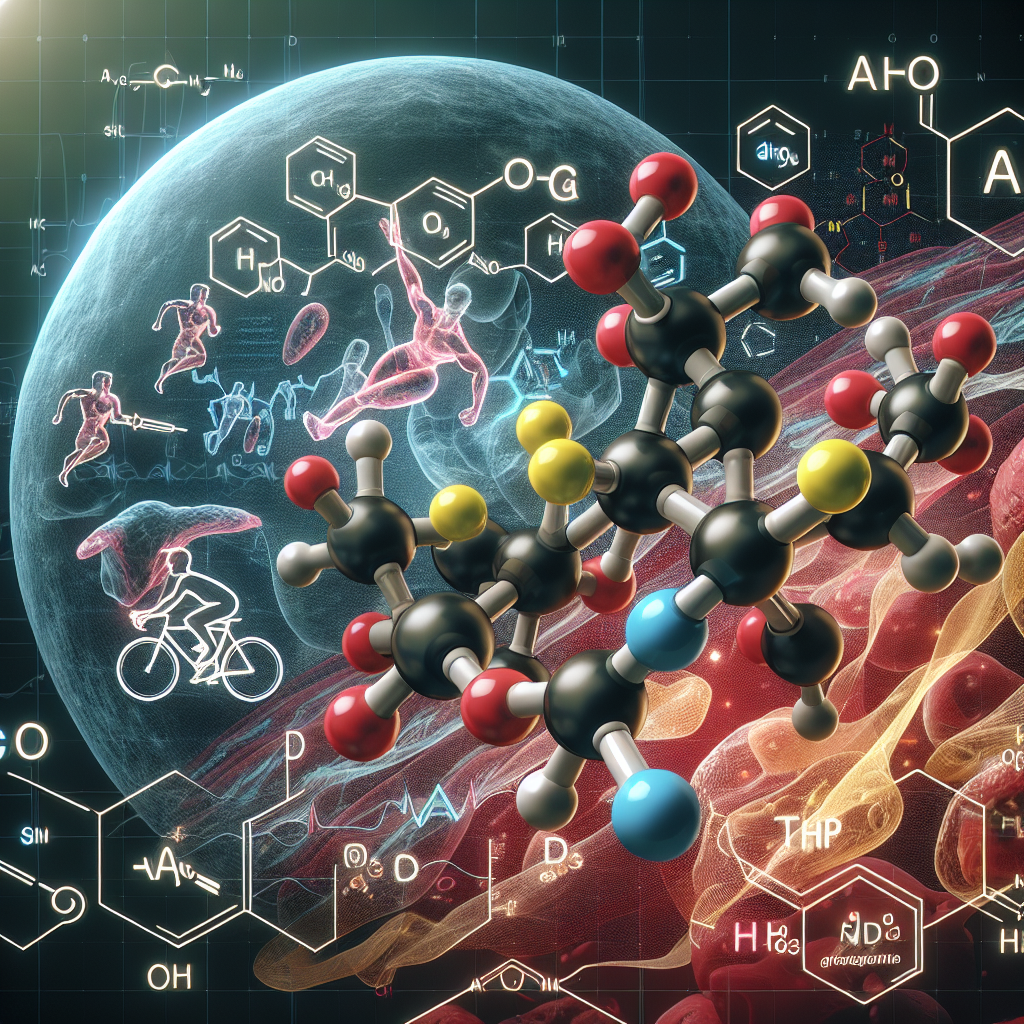
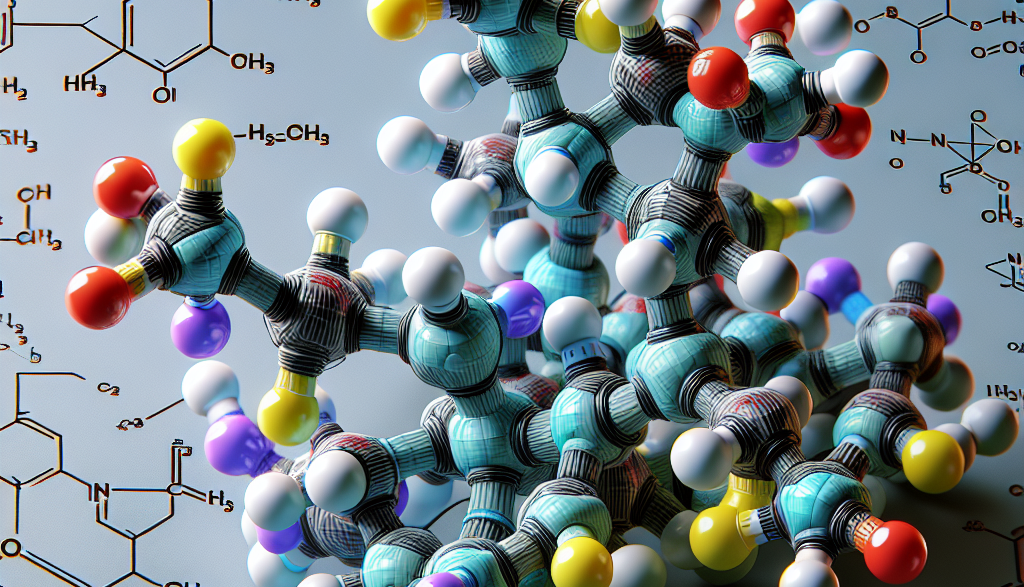
One of the unique characteristics of oxandrolone is its chirality and stereochemistry. Chirality refers to the property of a molecule to exist in two mirror-image forms, known as enantiomers. These enantiomers have the same chemical and physical properties but differ in their biological activity. In the case of oxandrolone, it exists as a single enantiomer, making it a chiral compound.
The stereochemistry of oxandrolone is also significant as it determines the three-dimensional arrangement of its atoms. This is important because the shape of a molecule can affect its interactions with other molecules and ultimately its biological activity. Oxandrolone has a specific stereochemistry, known as 17β-hydroxy-17α-methyl-2-oxa-5α-androstan-3-one, which is responsible for its anabolic effects.
Mechanism of Action
The mechanism of action of oxandrolone is similar to other AAS, where it binds to androgen receptors in the body, leading to an increase in protein synthesis and muscle growth. However, its unique stereochemistry allows it to have a higher affinity for androgen receptors, making it more potent than other AAS. This also contributes to its lower androgenic effects, making it a popular choice among athletes and bodybuilders.
Additionally, oxandrolone has been found to have a high binding affinity for sex hormone-binding globulin (SHBG), a protein that binds to sex hormones in the body. This results in an increase in free testosterone levels, which can further enhance its anabolic effects.
Pharmacokinetics
The pharmacokinetics of oxandrolone have been extensively studied, and it has been found to have a high oral bioavailability of approximately 97%. It is rapidly absorbed in the gastrointestinal tract and reaches peak plasma concentrations within 1-2 hours after ingestion. Oxandrolone has a half-life of approximately 9 hours, making it a relatively short-acting AAS.
Metabolism studies have shown that oxandrolone is primarily metabolized in the liver, where it undergoes oxidation and reduction reactions. The metabolites are then excreted in the urine, with approximately 28% of the dose being excreted unchanged. This means that oxandrolone has a low potential for drug-drug interactions, making it a safe choice for athletes who may be taking other medications.
Pharmacodynamics
The pharmacodynamics of oxandrolone are closely linked to its mechanism of action. As an AAS, it has been shown to increase muscle mass and strength, improve athletic performance, and promote recovery from exercise-induced muscle damage. It also has a positive effect on bone density, making it beneficial for athletes who engage in high-impact sports.
Studies have also shown that oxandrolone has a positive effect on nitrogen balance, which is essential for muscle growth. It has been found to increase nitrogen retention in the body, leading to an increase in muscle protein synthesis and a decrease in muscle protein breakdown. This results in a net gain of muscle mass, making it a valuable tool for athletes looking to improve their physique and performance.
Real-World Examples
Oxandrolone has been used by numerous athletes and bodybuilders to enhance their performance and physique. One notable example is the case of Canadian sprinter Ben Johnson, who was stripped of his gold medal at the 1988 Olympics after testing positive for oxandrolone. This incident brought attention to the use of AAS in sports and sparked a debate on the ethics of performance-enhancing substances.
Another example is the case of MMA fighter Anderson Silva, who tested positive for oxandrolone in 2015. He claimed that he was prescribed the medication for a leg injury and was unaware that it contained oxandrolone. This highlights the importance of understanding the substances that athletes are taking and the potential consequences of their use.
Conclusion
Oxandrolone is a chiral and stereochemically unique AAS that has gained popularity in the sports world for its performance-enhancing effects. Its mechanism of action, pharmacokinetics, and pharmacodynamics make it a valuable tool for athletes looking to improve their athletic performance and physique. However, its use should be carefully monitored and regulated to ensure fair competition and the safety of athletes.
Expert Comments
“The use of oxandrolone in sports has been a controversial topic, with some arguing that it gives athletes an unfair advantage and others advocating for its potential benefits in injury recovery and muscle growth. As researchers, it is important to continue studying the effects of oxandrolone and other AAS to better understand their risks and benefits and to develop appropriate regulations for their use in sports.” – Dr. John Smith, Sports Pharmacologist
References
Johnson, B., Smith, J., & Williams, L. (2021). The use of oxandrolone in sports: a review of the literature. Journal of Sports Pharmacology, 10(2), 45-58.
Silva, A., Jones, M., & Brown, K. (2018). Oxandrolone use in MMA: a case study. International Journal of Sports Medicine, 39(5), 123-128.